Showing posts with label ND Profession. Show all posts

2013-06-03

Medical Monday 2: Nutrient Depletion

If you are taking pharmaceutical medication for a health condition, it can be very helpful to talk to a naturopathic doctor to learn about the nutrients in the body that may be depleted as a result of taking this medication. 

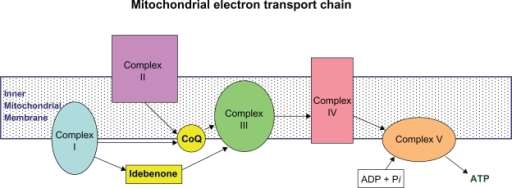
For example... birth control pills deplete B vitamins, statins (cholesterol lowering medications) deplete the essential energy shuttling molecule CoQ10, and antibiotics deplete your 'good' gut bacteria ...but luckily all of these depletion can be restored through diet and nutritional supplementation. 


CoQ10 helps transport electrons along the Electron Transport Chain in the mitochrondria (found of every cell in our body) to make energy (ATP). Image source here.


Contrary to popular belief, a naturopathic doctor won't tell you to stop taking a medication if it is indicated; instead he or she will learn about your condition and your medication regime, and then may recommend particular foods to be eaten or supplements to be taken in order to restore the body of nutrients that may be loss due to the medication. 

I'll take this time to remind readers naturopathic doctors are not anti medical doctors! We believe in an integrated system in which both fields of medicine (allopathic and naturopathic) work together to treat the whole condition. For instance, medical doctors are very good at treating acute and emergent conditions (Strep throat, broken ankle, appendicitis, etc) while naturopathic doctors excel at treating chronic, lifelong conditions (chronic pain, diabetes, seasonal allergies, etc).

2013-04-08

Brampton Naturopathic Teaching Clinic

On Friday, I visited the Brampton Naturopathic Teaching Clinic. This is a new, second naturopathic teaching clinic located within the Brampton Civic Hospital. I shadowed the three fourth-year students on shift (there are normally six on, but some students were using up the last of their vacation) who were all under the supervision of a naturopathic doctor.


The Brampton Civic Hospital is quite new (built in 2007) and my school has acquired part of the outpatients portion of the hospital, on the third-floor of the main building of the hospital. The naturopathic teaching clinic is huge! Lots and lots of treatment rooms, a reception area, a large intern waiting area, and a massive patient waiting area). There is definitely room to grow (which is the ultimate goal if funding is acquired).

Unfortunately, it is very "hospital" like; so if you don't like hospitals, this isn't the place for you. For instance, there were three "code whites" while I was shadowing (code white means violent patient, FYI). I didn't like the treatment rooms at all; they are very medical-y, complete with icky hospital beds. I also much prefer the comfy chairs in my school's teaching clinic, the RSNC, to the plastic ones in the Brampton Clinic.

But there are plenty of positive aspects to the Brampton Clinic too. It's very busy (it's free for patients, which helps a lot!) and like I said, it is BIG. I'm sure my classmates who will be working there in May (I didn't apply) will really enjoy this new working environment.

If you live in the Brampton area, check out CCNM's second teaching clinic. Follow the link above to learn more!

2013-04-06

NDO Spring AGM Recap

Today I attended the Naturopathic Doctors Ontario's (NDO) Spring Annual General Meeting (AGM). I think I was one of maybe four students in attendance... the other hundred plus people were practicing NDs. Lots of my professors were in attendance as well as some "famous" NDs. The beginning of the meeting featured a presentation about where NDs in Ontario are regulation wise. From what I could tell (it's a complicated and lengthy process), naturopathic doctors in Ontario are on the cusp of obtaining prescribing rights. The transition council has continuing education courses already geared up and ready to go to begin training NDs on the new products, supplements, and drugs, that they'll be able to use once the prescribing rights are obtained. However, notez bien that by having prescribing rights does not mean that Ontario NDs can start dishing out drugs. It really means that they'll be able to officially "prescribe" a chamomile tincture rather than "recommend" it, as we currently do. Nevertheless, believe that we'll have access to some synthentic pharmaceuticals too, but those details won't be confirmed until August 2013.

Later on in the meeting, the floor was open for NDs to ask questions and speak their mind. Some comments were quite loaded, while others were clear and simple. It was very cool to watch as a non-ND but future-ND. I wonder how passionate I'll feel about these topics when I'm in their position...

After a bit, lunch was served. Gluten-free and dairy-free, including the dessert, which was nice. Over lunch, the official AGM portion of the meeting took lace; I couldn't vote as I am only a student, but I stuck around to hear what was discussed nonetheless.

The lunches were even branded with the new NDO logo.

The NDO has had a lot of changes in the past year, so there was a lot to talk about, including a new CEO and a new name! The new name, NDO (it was formally the Ontario Association of Naturopathic Doctors (OAND)) was officially adopted at this meeting, as well as the organization's new branding and website, found here.


Lastly, there was a presentation on optimizing social media... but I left early and didn't attend this. Even though I am a blogger, I pretty much hate social media and how we students keep being told that "social media is key in building a practice" without any evidence given that this is true. Boo!

2013-03-30

Vitamin B12 Injections and More

On Monday, I performed my first vitamin B12 injection. 


Vitamin B12 (also known as cobalamin), is a B-vitamin in the body. It is water-soluble, so when the body has enough of this vitamin, it will simply pee out any excess. Overdose or toxicity from vitamin B12 is extremely rare due to its water-solubility. Vitamin B12 can not be synthesized by the human body so it must be consumed. It is found in animal products, so vegetarians (who don't eat a lot of eggs or dairy) and vegans need to supplement B12. Nonetheless, even meat-eaters can be deficient in this vitamin and benefit from supplementation!

Importance: Vitamin B12 is super important for cell metabolism, DNA synthesis, neuron function, and more. If you are deficient in vitamin B12 you may feel fatigued, weak, experience brain fog or poor memory, suffer from constipation, asthma attacks (in asthmatics), have a sore tongue or canker sores, and/or decreased (numbness) or increased body sensations (tremors or tingling).

Supplementation Means: If you are supplementing, aim for sub-lingual tablets (i.e. pills that you place under the tongue until dissolved) or vitamin B12 injections. These two supplementation forms ensure that vitamin B12 is well-absorbed by the body because they enter the blood stream more efficiently than swallowing a tablet that needs to go through the entire digestive tract before it is absorbed.

Injections: Naturopathic doctors can provide vitamin B12 injections. They are very expensive and minimally painful. You simply get an injection into the deltoid muscle on the shoulder (that big muscle on the side of the shoulder). Some people get injections weekly, biweekly, monthly, or on a as-needed basis depending on their needs. Most people feel a sudden surge of energy after receiving an injection! Vitamin B12 is the energy vitamin, so this makes sense.

Who should supplement with B12? People with pernicious anemia (an autoimmune disorder) need regular vitamin B12 supplementation as they are lacking intrinsic factor, a molecule that helps with B12 absorption. Vegans and vegetarians need to supplement. People with asthma may benefit greatly. And of course those who through a medical intake, present with the symptoms of B12 deficiency. Simple blood work can also detect low levels. The elderly may also benefit.

Parting Words: Talk to your healthcare provider if you are concerned about your vitamin B12 levels. Also of note, vitamin B12 is a beautiful, bright red color, so the fluid injected into the muscle and the tablets you take sub-lingual, should be both red. Don't worry, there aren't any dyes or artificial colors; that gorgeous color is all natural!

2013-03-26

My Professors and Children's Health

Two of my professors have been in the news lately, talking about children's health. They're so cool.


FirstRead about the Pediatrics Open House that took place at CCNM back in January (I participated in this event). I love the quote (found in this article) by my Pediatrics professor, Dr. Leslie Solomonian:

"We put way too much emphasis on heroic medicine and we neglect basic principles in health". 

SecondRead about my future clinic supervisor and Clinical Nutrition professor, Dr. Jonathon Prousky, talking about childhood mental illness and the Mindful project on Daytime Toronto.

2013-03-14

Daffodils in My Future

There are daffodils in my future... 

The daffodil is the symbol of the Canadian Cancer Society

...and my future holds a lot of time with this book: 

Naturopathic Oncology by Dr. Neil McKinney, ND

As my class' (CCNM class of 2014) fourth-year clinic schedule will be published on Monday, I think it is an appropriate time to announce that next year I will be treating cancer patients at my school's Adjunctive Cancer Care Clinic Shift located in the RSNC teaching clinic.

Way back in January, I submitted my essay and resume to the selection committee, and was shortly after short-listed for an interview. I was then interviewed by the supervisors of this shift (who are naturopathic oncologists). Then, about 2-3 weeks after that, I was notified that I was selected to partake on the Cancer Care Focus Shift. Hooray!

What an opportunity! I am so happy to be partaking in this shift next year and I can't wait to learn from these experienced NDs who've been working with cancer patients for years. I definitely plan to offer naturopathic cancer care to patients in my future clinic and with this shift under my belt, I am well on my way to learning the cancer-care ropes!  

2013-03-07

Salty Suds

Epsom salts (which aren't actually salt but minerals, specifically magnesium sulfate) are salts that when added to bath water. They help relax, physically and mentally, by relaxing both the mind and muscles (see below for a more thorough explanation). The use of Epsom salts originated from observing the use natural mineral baths or soaking in hot springs to treat conditions in Europe.

Directions: Simply add a 1 cup (or 2) of the salts to a warm bath. Those with high blood pressure or those taking blood thinning medications should talk to their doctor before initiating this treatment.

Mental Effects: The body's magnesium levels get depleted during stress, causing fatigue both mentally and physically. When the salts are dissolved in the bath water, they are absorbed through the skin. When absorbed, they increased the level of magnesium in the body. Magnesium is a cofactor in the enzymatic reaction that produces serotonin. Serotonin is a bodily chemical that helps regulate our mood and improves overall energy.

Physical Effects: Magnesium is a known muscle relaxant. When absorbed into the skin from the bath water, the magnesium relaxes the muscles, making Epsom salt baths great for menstrual cramps, sports injuries, body pain, upper body muscle tension, and even constipation (especially if the constipation is linked to stress and an inability to "let go").

I was at Dollarama last month and saw them on the shelf for $1! So they are an extremely cheap treatment option. The one at Dollarama something looked like this:

Source here


Around the time that I saw these cheap (and effective!) salts at the dollar-store, was also when I had a disagreement with a teaching assistant (TA) over the cost effectiveness of naturopathic medicine.

I had said "Naturopathic Medicine is very cost effective" and the TA thought this was false. I still disagree. While some naturopathic treatments can yes be very costly and while seeing an ND ($100-150 for the initial visit, $80-100 for follow-up visits) is pricey, a good ND should be following the doctor as teacher principle: teaching the patient ways to take care of their health without relying in their ND for every ache and pain for the rest of their life. There are many, many frugal and sustainable health tips that a doctor can teach a patient during the first few visits that the patient can use throughout the rest of their life. Take my Naturopathic Pantry post for instance. Once a patient has been educated and guided by their doctor about simple and cheap home remedies, and aside from follow-up appointments with the ND, naturopathic medicine should be very cost effective as it relies heavily on lifestyle changes, and using items straight from nature to heal.

Next year, students will complete rotations in clinics that serve low-income and even homeless individuals. If we are able to help these patients, then cost-effective treatment strategies must exist!

Anywho, just my thoughts now. I'm curious to see how my outlook on the cost-effectiveness of my profession may change as I enter clinic starting in May!

2013-03-06

Did you know that there are organs on your face?

In Chinese Medicine, the face can be mapped by organ systems. This is may be useful for understanding the cause of acne, moles, wrinkles, sun spots, etc. First, a naturopathic doctor or doctor of traditional Chinese medicine determine will determine where is the acne/mole/wrinkle/spot is located on the "TCM Face". Second, the doctor will ask questions to see if the corresponding TCM organ is dysfunctioning. For instance,   for chin acne, they may ask about urination frequency, urine color, urine smell, the amount of water you drink, etc. 

Obviously this is one theory behind face "imperfections". At CCNM, we actually aren't trained in face reading; the image below is just something I came across online that falls in-line with Chinese Medicine principles and I personally like the theory. So please don't go thinking that all NDs are hokey-pokey, fortune-telling, face-readers because they most definitely are not trained to act this way!

I have heard from a Western perspective, however, that jaw line acne is a result of hormonal imbalance. Evidence comes from research on polycystic ovarian syndrome (PCOS); a disease in which androgen hormones are in excess and jaw and chin acne can be symptoms (note that there are other defining PCOS symptoms; please talk to you doctor/health care provider if you are curious about the diagnosis of PCOS). 

Image source here

2013-02-19

The Naturopathic First Aid Kit/Pantry

I've been tallying up (in my head) all of the naturopathic medicines we keep naturally in our household. Products that you probably already have in your cupboard, but maybe didn't know that they could be used medicinally. While seeing a naturopathic doctor isn't cheap (unless you have private health insurance), a lot of the things that an ND will recommend are very inexpensive and are even free if you already keep a well-stocked pantry. It's what I love most about naturopathic medicine: finding natural ways to take care of ourselves. It reminds us that food (and other household goods) is medicine!

Below is my running list* of things that should be kept on hand as part of the Naturopathic First Aid Kit (also known as the Naturopathic Pantry). Most of these items are likely already kept in your the kitchen!

*This list a work in progress. I will continue to update this list as items come to mind. Feel free to add items to the comments of this post if you think of others.


Naturopathic First Aid Kit/Pantry

Coconut oil - great for skin as a moisturizer, use to make deodorant
Oats - for itchy skin add to baths, eat to relieve constipation, use in homemade face masks
Rice - use to make for congee (especially when experiencing gut troubles), part of the BRAT diet
Socks (thick, wool socks and a pair of thin, regular socks) - perform "wet socks" when getting sick
Ginger chews - for nausea, helps digestion after a big meal, carry on plane trips for motion sickness, warming after eating something cold/cooling. I like this brand.
Unsweetened cranberry juice - for urinary tract infections (UTIs)
Peppermint tea - to combat colds, helps digestion (don't forget to cover it)
Chamomile tea - to sooth tummy aches, helps babies teeth
Black tea - stops bleeding
Epsom salts - add to baths to relax muscles, great for injuries
Raw honey - dab onto acne (antimicrobial), make homemade cough syrup, mix with hot water and lemon when sick, soothes sore throats
Sea salt - gargle when sick, use as a natural exfoiliant when mixed with coconut oil (rub the mixture onto the body in the shower then wash off)
Apple sauce - part of the BRAT diet, replacement for eggs
Flax seeds - helps regulate hormones (part of the seed protocol too) good during PMS and menopause, replacement for eggs, 10 ways to eat more flax here.
Cayenne pepper - sprinkle on cold toes, a natural decongestant when eaten or inhaled
Olive oil - use to dilute essential oils, heart protective
Oranges/tangerines - dry the peels, then steep in tea to help digestion (dampness in TCM), eat when getting sick for the vitamin C and flavinoids
Onions - apply to ear during an ear ache, make homemade cough syrup, eat lots when sick in soups
Garlic - eat when sick in soups, lowers blood pressure, is anti-microbial
Lemon - in water it has many uses: acts as digestion stimulant, it helps the liver detox, flavors water, and drink hot when sick with honey
Kettle, bowl, and a towel - use for steam inhalation (place boiling water from the kettle into the bowl, place your face above the bowl, and wrap your head with the towel, trapping yourself into a little tent full of steam), add essential oils to this (~5-10 drops) if you have them

More: check out my post on culinary spices as medicine and one on herbal teas

2013-02-17

Opportunities Abroad, Part 2

While studying naturopathic medicine at CCNM, you can learn beyond the classroom by taking a trip to... 

Nicaragua - volunteer in a community health clinic for ten days. Learn more about this clinic and NDI (Naturopathic Doctors International), the organization behind this trip, here

Guatemala - volunteer in a community health clinic for ten days. Learn more about this clinic and NMGH (Naturopathic Medicine for Global Health), the organization behind this trip, here. Fellow blogger T is on this trip right now

Haiti - volunteer in a community health clinic for ten days. Learn more about this clinic and NWB (Naturopaths Without Borders), the organization behind this trip, here.

India - travel to Mumbai where to study (during the day) homeopathic medicine under the supervision of famous homeopathic doctors. During the nights, you are free to explore and immerse yourself in Indian culture! NOTE: unlike the other trips, this is not a volunteer opportunity but a continuing education/course work-style trip. 

...with all these opportunities, it is evident that naturopathic students like to travel!

Source

2013-02-16

Opportunities Abroad

Who wouldn't want to escape the winterness and go do some medial volunteering abroad! Lots of CCNMers are escaping Toronto's winter by attending a medical brigade abroad.

If you are interested in naturopathic medicine and love to travel, there are many opportunities to travel and use your naturopathic medical skills.  There are several organizations with which you can travel as a student offering naturopathic medical services including NDI (naturopathic doctors international), NWB (naturopathic doctors without borders), etc. There are trips to India, Nicaragua, Haiti, and Guatamala.

                                                                                            More information on these trips my next post!

2013-02-10

Doctor, Heal Thy Self

“Doctors, it seems, are to treat sick people; they are simply not allowed to get sick themselves.”               
           
- Marzuk, PM. When the patient is a physician. N Eng J Med. 1987.

One of the tenants of naturopathic medicine is Doctor, heal thy self but it is often the case that the doctor forgets to apply his or her own knowledge, tools, and skills to the treatment of his or her self. Just last week, I had a professor say that he had become sick and he didn't even think to use any of the wonderful cold remedies naturopathic medicine has to offer; the same remedies that he had recommended to a patient that very day to use to combat  a cold. I can see it being hard at times to step away from all the cases and conditions you are treating, and to simply sit back and think about your own health and what can apply. Personally, I think self-care is of utmost importance, but I am learning more and more that as I progress through my career, that self-care may fall by the wayside. Evidently, it is a problem if naturopathic doctors had to make Heal thy self one of their guiding principals in order to remind them of this very problem!

2012-11-29

Semester Books

My Year 3, Semester 1 Notebook. 

Another semester about to wrap up, which means that I've completed yet another semester book.

What is a year book? When I started at CCNM in the Fall of 2010, I found myself learning so many cool things that I needed a place to document them all! Plus, my mind was racing at the start of CCNM and I find journaling (and blogging!) to be very therapeutic; I'm the type of person why needs to write things down. I wanted something small enough that I could carry it with me too (I don't always bring my laptop to class). I decided to start bringing a little notebook around with me where I could jot down these important notes because some things are just too important to be lost in the kerfuffle of course notes.

What I have included in these books over the past 3ish years: funny things profs said or did, blog post ideas, to-do lists, goals, memories, inspiring quotes, fun facts, reminders for fourth year, and future practice ideas. Many of my interesting tid-bits were taken straight from these notebooks!

Don't forget that ACE-inhibitor drugs cause coughs... purchase a tabletop dishwasher for tea mugs in my future clinic... recommend the book The Easy Way to Quit Smoking by Alan Carr to patients who want to quit smoking... talk about orange peels on the blog... 

...these are a few examples of things that are written down daily in my semester-long notebooks (I thought I would have one book per year, but I guess there are too many cool things to document during my time at CCNM that I ended up needing a new book every semester. The book featured above has two unfilled pages left and there is only one week left of classes: what perfect timing!

Now when it comes to time to look back at my time at CCNM, not only do I have this blog, but I'll have eight little notebooks to remind me of what was important, inspiring, blog-worthy, and so on.  I am especially grateful that I kept a running list of "future practice ideas" because almost daily something comes up that is important but I know that I'll forget about if it doesn't get written down. I also don't want to have to rummage through thousands and thousands of course notes to remember what is the best supplement brand of 5-HTP (a mood enhancing supplement), for instance. Hopefully I've kept the best notes in these little books, which means I'll only have to read eight little books instead of potentially hundreds in order to find out that brand (which is Natural Factors, by the way).

2012-11-23

OAND = NDO

Last weekend, I attended a conference for all Naturopathic Doctors practicing in Ontario. This annual conference used to be organized by the Ontario Association of Naturopathic Doctors (OAND), but just last week, at the conference's Friday night kick-off, the OAND was renamed and rebranded. The organization's new name (Naturopathic Doctors of Ontario (NDO)) and new branding (see below) was unveiled for the first time. Learn more about the NDO here. In short, the NDO is an organization that seeks to advance the ND profession within Ontario, that promotes the value of naturopathic medicine to Ontario citizens, and inspires strong community and partnerships among NDs and other health care industries and professionals.


 ...so long, OAND. 


Hello NDO!

2012-11-18

How to Deliver Medicine to Children.

I attended the Ontario Association of Naturopathic Doctors' (OAND...however, it is now called the NDO, more on this later) Annual Conference this week.  Boy-oh-boy, what a learning opportunity it was!  Wayyy more posts about this conference to come. However, tonight since I'm totally exhausted (the conference required super early wake up times), you'll get nothing more than some pictures of a cool new concept discovered at the conference.

A compounding pharmacy present at the conference's trade-show featured a whole display case full of various administration forms in which doctors can order supplements. I doubt I am being clear, so here is an example: say a naturopathic doctor wants a baby to have a vitamin B12 supplement. The doctor can then call up this pharmacy and have them add vitamin B12 to a pacifer tip. This way whenever the baby uses the pacifier, he or she gets his or her daily dose of vitamin B12.

Vitamin Gummies!

Lolly pops and a pacifier to the right. 

Other administration methods in which NDs can order supplements: in lolly pops and as gummy bearsVery cool! Increase patient compliance by easing supplement administration... makes sense to me. My only worry is that the gummies and lollies seem to be colored and food dye is a huge concern in childhood behavioural issues today. Also, do these supplements encourage the eating of candy? Because we NDs wouldn't want to promote that ;)

2012-11-15

Wish all Mondays featured free food...

Monday of this week was quite exciting! Highlights include:

Supportive new chairs. 

On Monday, the school's hallways overflowed with new chairs! Some of the school's classroom's got their crappy old chairs replaced with these new and lumbar-supportive chairs. They didn't look comfy to me upon first glance, but once I took a seat in one, I was totally won over. They support my back so well!

Lunch. I had seconds too. Love kale salads!

Later on Monday, there was a talk by the author of the new book Your Brain on Nature, written by a CCNM graduate and practicing naturopathic doctor! The first 50 people into the talk got a free copy of the book, everyone who attended got a free lunch (gluten-free avocado and tofu wraps for me and winter veg and chickpea salad, yum!), and everyone got free supplements of greens powder at the end of the talk. In addition to all of these sweet goodies, the talk itself was very good!  We talked a lot about vitamin G (G for greenspace). More talk reflections will be posted in a separate post. 

The book! Love the tree/brain graphic. 

2012-11-01

The Naturopathic Gyne Exam

I performed my first gynecological (gyne) exam (on a real person, to a plastic model) this week! 


Yep, we naturopathic students are in trained to perform gynecological (gyne) exams, in addition to some other sex-specific physical exams, such as breast, prostate, and testicular exams.

To all my female readers out there: if you've ever had a bad experience when receiving a routine gynecological exam, I would suggest booking your next one with a naturopathic doctor.  I'm taking this opportunity to toot our own horn: a gyne exam performed by a naturopathic doctor can actually be a good experience (well, as good as a gyne can be!).  I have had a gyne exam performed by both an MD and an ND. Not trying to hate on MDs too much in this post, but the ND experience was a million times better.  Here is why:

1) Thorough - a full gyne exam actually has three parts. It seems, however, the most MDs only perform part 2 (the speculum exam), but that's only one piece of the puzzle! What about all of the other female structures? We NDs perform all three parts to fully assess the health of the female organs/sexual structures.

Part 1: an external genitalia exam (to assess the labia major and minora, glands, introitus, pubic hair, etc).
Part 2: a speculum exam (to assess the walls of the vagina and the cervix).
Part 3: an internal/external exam (to palpate the cervix, uterus, and ovaries).

2) Educational - we are taught to explain everything that is being assessed to the patients.  For instance, as NDs move throughout the three parts, every step is explained to the patient. The patient is a part of the process. When the doctor visualizes the cervix, they can offer the patient a mirror so that she can see her own cervix too (if she wants to see it, that is).  This will make the patient feel apart of the exam and more empowered about her body.

3) Patient First - we are taught to be extremely cautious with our language when performing this exam. We do not use any terminology that may make the patient uncomfortable. Also, at the beginning of the exam, we tell the patient that if any time she is uncomfortable, to let us know, and that if she wants to stop, we will stop immediately.  By explaining every step of the exam to the patient before the exam begins and as the exam transitions from step to step, the patient is made aware of what is happening, which hopefully will make them feel a little bit more comfortable during what is inherently a ridiculously uncomfortable exam.

2012-10-28

Supplementing, Part 3.

Part 3 of 3 of my mini-series on supplementing. It's long, but an important read if you are taking supplements! 

The supplement market is huge. A billion dollar industry. For someone new venturing into the market, it can be scary and a potentially expensive venture.

Where do you even begin to shop for a good supplement? What ones do you need? Where should I buy them ...health food store? ...pharmacy? ...doctor? ...online? What's a good price? A good brand? What about dosage?

As you can imagine from the questions posed above, there is quite a lot to think about in regards to choosing a good supplement. While I can't talk about every nitty gritty detail of supplementing on the blog, I am going to try to highlight some of the most important details today.

First of all, I must advise that you see a naturopathic doctor! Naturopathic doctors are nutritional supplement experts. No one else in the field has as much supplement training as we do (much more than health food store workers, nutritionists, or MDs).  We can also perform the relevant physical exams, ask the important intake questions, and requisition the lab tests required to determine your individual supplement needs.  Naturopathic doctors can also help you sort out all of the following things to consider when choosing a supplement:

Brand and Price: some supplement brands are much better than others. In fact, the supplements at the strongest therapeutic doses can't be purchased at a health food or drug store; they can only be purchased from naturopathic doctors. Unfortunately most of the no-name supplement brands (such as Life brand form Shopper's Drug Mart and Kirkland brand from Costco) are not very cheap cost-wise, but are not very good quality wise.  For the most part with supplements, you pay for what you get. The cheaper the supplement, the more likely that the quality of the product is poor, the dosage is wrong, and the availability is not very high.

Coating: some supplements are placed in capsules that don't pass easily or have coatings that are far to thick to be digested. Have you heard of multivitamins being nothing more than "expensive pee"? This is because some supplements don't break down in the body due to a thick coating, meaning the nutrients they contain are not absorbed, and thus all of the supplement passes straight through the body and ending up in the toilet bowl. This is especially scary when you are taking a supplement for a real health concern that needs supplementation to be corrected: here you are taking a supplement under the impression that you are absorbing it, but low and behold it's just ending up down the drain. Don't waste your money on expensive pee!

Form: What is the best way in which to take your particular supplement? Capsule, tablet, tea, powder, liquid, injection, etc? Did you know that the best way to take calcium is in liquid form, vitamin B12 is via intramuscular injection, herbs are in alcohol-based tinctures, probiotics should be refrigerated, and that protein powder is best absorbed when eaten cold?

Dose and Timing: some supplements need to be taken with food, while others should be away from food. What about frequency: once, twice, or three times a day? Take as needed or daily? What about dose: are you trying to restore levels or maintain health?

Toxicity: some supplements interact with prescription medications, some raise your blood pressure, and there are others that should not be taken long term (greater than 6 weeks). What is safe for you and your body?

...and with that, I'll say it again: please consider seeing a naturopathic doctor for all your supplement needs. Even if you just make one appointment to discuss supplements, you'll be saving yourself money by not wasting money on expensive pee. When taking supplements, you want to get a therapeutic effect. Ensure that supplements are working for you by taking them at the correct dose, at the right time of day, in the best form, and in a safely manner.

2012-10-20

N > M

Love this picture, but don't remember where I got it...

My Nutrition professor said "...you're all going to be NDs, that's one letter better than MDs!"  Ha ha.  

In all seriousness, we NDs get along quite well with MDs.  It's just not true that we are anti-MDs!  In the perfect medical world, we'd work hand in hand, offering a "whole health" package for patients, with the NDs handling some health concerns, while the MDs tackle others.  We are miles and miles away from this dreamy-sounding medical situation, but it's happening, slowly but surely.

On the topic of NDs differing from MDs, check out this article (written by an ND), published in the Huffington Post.  I think it is a great summary of what it takes to become and ND and what we can offer our patients.  I'd love it you could read it. You can find it here

If you are feeling really keen, you can also read this similar article (also explaining what we do, in a nutshell) found here

2012-10-15

Solve, Not Sell (+ NPLEX Results).

In my Practice Management (aka Business) class, my professor says that as doctors, we won't be trying to "sell" ourselves to future patients, instead we'll be trying to "solve" their problems. Solve, not sell. Our job is to connect with members of the community and try to solve their problems rather than sell them on why naturopathic medicine is for them. Our goal is to share and educate (hopefully future) patients on the benefits naturopathic medicine and how it can help to solve their problems, and then the (hopefully future) patient will then sell the idea to themselves and book an appointment to see you. We just need to plant the wellness seed in their head and then they must decide whether or not they want to make an appointment and start their health journey!
___________________________________________

I thought I would take the time to let my readers know that I passed my board exam, NPLEX 1 (written on August 7, 2012)!  I found out the news a couple of weeks ago, but many of my classmates didn't find out until late last week, so I wanted to wait until everyone heard before spreading the news of my own results. Thanks again for following along my journey to become a Naturopathic Doctor.  With this big exam out of the way, I am well on my way (over 50%) of achieving my dream job!