Showing posts with label Philosophy. Show all posts

2013-04-20

My New Home

Formal lectures and classes are officially over! 

Instead of hanging out in the Lecture Theatre all day, this will be my new home come May: the clinic!


 Treatment room of the RSNC (my school's teaching clinic). Rooms feature chairs for chatting, a treatment table (for physical exams, manipulations, acupuncture, massages, and more), and a sink area where basic medical equipment is kept (gloves, swabs, tongue depressors, etc). 


In the conference rooms where we debrief after a shift, a copy of the Naturopathic Doctor's Oath (pictured on the right) hangs to inspire us and keep us on track. 


2013-03-07

Salty Suds

Epsom salts (which aren't actually salt but minerals, specifically magnesium sulfate) are salts that when added to bath water. They help relax, physically and mentally, by relaxing both the mind and muscles (see below for a more thorough explanation). The use of Epsom salts originated from observing the use natural mineral baths or soaking in hot springs to treat conditions in Europe.

Directions: Simply add a 1 cup (or 2) of the salts to a warm bath. Those with high blood pressure or those taking blood thinning medications should talk to their doctor before initiating this treatment.

Mental Effects: The body's magnesium levels get depleted during stress, causing fatigue both mentally and physically. When the salts are dissolved in the bath water, they are absorbed through the skin. When absorbed, they increased the level of magnesium in the body. Magnesium is a cofactor in the enzymatic reaction that produces serotonin. Serotonin is a bodily chemical that helps regulate our mood and improves overall energy.

Physical Effects: Magnesium is a known muscle relaxant. When absorbed into the skin from the bath water, the magnesium relaxes the muscles, making Epsom salt baths great for menstrual cramps, sports injuries, body pain, upper body muscle tension, and even constipation (especially if the constipation is linked to stress and an inability to "let go").

I was at Dollarama last month and saw them on the shelf for $1! So they are an extremely cheap treatment option. The one at Dollarama something looked like this:

Source here


Around the time that I saw these cheap (and effective!) salts at the dollar-store, was also when I had a disagreement with a teaching assistant (TA) over the cost effectiveness of naturopathic medicine.

I had said "Naturopathic Medicine is very cost effective" and the TA thought this was false. I still disagree. While some naturopathic treatments can yes be very costly and while seeing an ND ($100-150 for the initial visit, $80-100 for follow-up visits) is pricey, a good ND should be following the doctor as teacher principle: teaching the patient ways to take care of their health without relying in their ND for every ache and pain for the rest of their life. There are many, many frugal and sustainable health tips that a doctor can teach a patient during the first few visits that the patient can use throughout the rest of their life. Take my Naturopathic Pantry post for instance. Once a patient has been educated and guided by their doctor about simple and cheap home remedies, and aside from follow-up appointments with the ND, naturopathic medicine should be very cost effective as it relies heavily on lifestyle changes, and using items straight from nature to heal.

Next year, students will complete rotations in clinics that serve low-income and even homeless individuals. If we are able to help these patients, then cost-effective treatment strategies must exist!

Anywho, just my thoughts now. I'm curious to see how my outlook on the cost-effectiveness of my profession may change as I enter clinic starting in May!

2013-02-19

The Naturopathic First Aid Kit/Pantry

I've been tallying up (in my head) all of the naturopathic medicines we keep naturally in our household. Products that you probably already have in your cupboard, but maybe didn't know that they could be used medicinally. While seeing a naturopathic doctor isn't cheap (unless you have private health insurance), a lot of the things that an ND will recommend are very inexpensive and are even free if you already keep a well-stocked pantry. It's what I love most about naturopathic medicine: finding natural ways to take care of ourselves. It reminds us that food (and other household goods) is medicine!

Below is my running list* of things that should be kept on hand as part of the Naturopathic First Aid Kit (also known as the Naturopathic Pantry). Most of these items are likely already kept in your the kitchen!

*This list a work in progress. I will continue to update this list as items come to mind. Feel free to add items to the comments of this post if you think of others.


Naturopathic First Aid Kit/Pantry

Coconut oil - great for skin as a moisturizer, use to make deodorant
Oats - for itchy skin add to baths, eat to relieve constipation, use in homemade face masks
Rice - use to make for congee (especially when experiencing gut troubles), part of the BRAT diet
Socks (thick, wool socks and a pair of thin, regular socks) - perform "wet socks" when getting sick
Ginger chews - for nausea, helps digestion after a big meal, carry on plane trips for motion sickness, warming after eating something cold/cooling. I like this brand.
Unsweetened cranberry juice - for urinary tract infections (UTIs)
Peppermint tea - to combat colds, helps digestion (don't forget to cover it)
Chamomile tea - to sooth tummy aches, helps babies teeth
Black tea - stops bleeding
Epsom salts - add to baths to relax muscles, great for injuries
Raw honey - dab onto acne (antimicrobial), make homemade cough syrup, mix with hot water and lemon when sick, soothes sore throats
Sea salt - gargle when sick, use as a natural exfoiliant when mixed with coconut oil (rub the mixture onto the body in the shower then wash off)
Apple sauce - part of the BRAT diet, replacement for eggs
Flax seeds - helps regulate hormones (part of the seed protocol too) good during PMS and menopause, replacement for eggs, 10 ways to eat more flax here.
Cayenne pepper - sprinkle on cold toes, a natural decongestant when eaten or inhaled
Olive oil - use to dilute essential oils, heart protective
Oranges/tangerines - dry the peels, then steep in tea to help digestion (dampness in TCM), eat when getting sick for the vitamin C and flavinoids
Onions - apply to ear during an ear ache, make homemade cough syrup, eat lots when sick in soups
Garlic - eat when sick in soups, lowers blood pressure, is anti-microbial
Lemon - in water it has many uses: acts as digestion stimulant, it helps the liver detox, flavors water, and drink hot when sick with honey
Kettle, bowl, and a towel - use for steam inhalation (place boiling water from the kettle into the bowl, place your face above the bowl, and wrap your head with the towel, trapping yourself into a little tent full of steam), add essential oils to this (~5-10 drops) if you have them

More: check out my post on culinary spices as medicine and one on herbal teas

2013-02-10

Doctor, Heal Thy Self

“Doctors, it seems, are to treat sick people; they are simply not allowed to get sick themselves.”               
           
- Marzuk, PM. When the patient is a physician. N Eng J Med. 1987.

One of the tenants of naturopathic medicine is Doctor, heal thy self but it is often the case that the doctor forgets to apply his or her own knowledge, tools, and skills to the treatment of his or her self. Just last week, I had a professor say that he had become sick and he didn't even think to use any of the wonderful cold remedies naturopathic medicine has to offer; the same remedies that he had recommended to a patient that very day to use to combat  a cold. I can see it being hard at times to step away from all the cases and conditions you are treating, and to simply sit back and think about your own health and what can apply. Personally, I think self-care is of utmost importance, but I am learning more and more that as I progress through my career, that self-care may fall by the wayside. Evidently, it is a problem if naturopathic doctors had to make Heal thy self one of their guiding principals in order to remind them of this very problem!

2012-10-15

Solve, Not Sell (+ NPLEX Results).

In my Practice Management (aka Business) class, my professor says that as doctors, we won't be trying to "sell" ourselves to future patients, instead we'll be trying to "solve" their problems. Solve, not sell. Our job is to connect with members of the community and try to solve their problems rather than sell them on why naturopathic medicine is for them. Our goal is to share and educate (hopefully future) patients on the benefits naturopathic medicine and how it can help to solve their problems, and then the (hopefully future) patient will then sell the idea to themselves and book an appointment to see you. We just need to plant the wellness seed in their head and then they must decide whether or not they want to make an appointment and start their health journey!
___________________________________________

I thought I would take the time to let my readers know that I passed my board exam, NPLEX 1 (written on August 7, 2012)!  I found out the news a couple of weeks ago, but many of my classmates didn't find out until late last week, so I wanted to wait until everyone heard before spreading the news of my own results. Thanks again for following along my journey to become a Naturopathic Doctor.  With this big exam out of the way, I am well on my way (over 50%) of achieving my dream job!

2012-07-17

Three Weeks!


The essentials: CCNM mug (with herbal tea), bright highlighters, and NPLEX study manual.

Three weeks until D-Day (aka the day I write my NPLEX exam)! 

Here's what I've been staring at lately (clockwise from the top left): arteries of the body, female hormone/menstrual cycle, back muscle (erector spinae in particular), and heart defects (tetralogy of fallot in particular).  

Ugh...anyone want to trade places? Ha ha. 


Image source here.
Image source here.


Image source here.
Image source here.

2012-05-27

Health Scenes 6.

The Caption: Plaque found at the Royal Ontario Museum (ROM). When translated into English it reads: he who teaches learns.

The Comment: This phrase reminds me of the naturopathic principle I love most: doctor as teacher. The field of naturopathic is both a selfless and selfish profession.  As a good doctor, you have to be empathetic, gentle, non judgmental, caring, etc. It can quite a taxing profession; giving patients the attention and care they need day in and day out. However, there are selfish reasons drawing me to the profession too: learning all about the body, disease detection techniques, applying the health advice given to patients to personal health, etc. Yes, I will be a doctor and a teacher, but the ROM phrase reminds me that I too will be doing a lot of learning, as every new patient will provide me with a new opportunity to learn.  There will be many days when I will be the pupil and the patient the educator!

2012-05-18

The Broken Trachea.

“You broke his trachea” says an NYPD cop. “I didn’t know a trachea could break” says Luke. 

Quote from the new action movie Safe.   

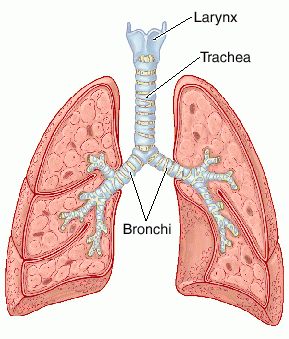
While I haven't seen the movie Safe, I heard this movie quote in a commercial for the movie and found it pretty amusing. A bit about the trachea: it is located in our neck (pictured below).  It is our breathing tube or our wind pipe, facilitating the air's passage between our mouths and lungs.
 
Image source here.

The interesting thing about the trachea is that the trachea actually does move (and yes, it can even break like the movie suggests), especially when there are underlying lung problems.  During a ear/nose/throat, head/neck, or lung exam, the trachea is examined by the doctor to see that it is midline. Two major pathologies that are associated with deviated tracheas: 1) lung punctures (pneumothorax), in which the trachea is deviated away from the punctured lung (so it moves to the far right of the neck if the left lung is punctured). 2) Atelectasis (collapse of lung alveoli), in which the trachea moves towards the affected lung (to the right when the right lung is diseased).

2012-05-12

Thanks, Micro. You've ruined my life.

Good health is germ free health. Use the dispenser to keep hands clean. For everyone's sake.

I hate Microbiology. It's really ruined my life (note: I'm being somewhat sarcastic here) because I now fear bugs.  Bugs/germ/pathogens/bacteria/viruses/evil dudes are everywhere!  After learning all about microbes this past year, I know more than I care to know.  Sometimes I wish I were my old naive self, not knowing about the scary microbes all around me, living a more laissez-faire life.  Instead of this new microbe-fearing gal. :P

I saw this poster on the University of Toronto campus and it made me laugh (and cry) at the same time. I have mixed feelings towards its message.

It's true that there are some scary critters out there and that they can pose serious harm on your health, but this poster encourages a dramatic and exaggerated fear in those who read it. The poster also did well in the whole "fear me" department (it made me cry!).

Where I disagree: germ free health is not the pinnacle of health.  Today we actually do live fairly germ free due to our obsessive love of sanitizers, soaps, and cleaning agents... and this love has cause a whole plethora of other health complications (as hypothesized by the Hygiene Hypothesis) like asthma, allergies (food and airborne), eczema, autoimmune diseases, etc. Also, in our gut alone lives millions of microorganisms... and we most definitely need our gut micro flora for good health!  So, no poster, you are wrong, germ free health is not good health. 

What I do like about this poster is the "for everyone's sake" line.  It's true that public health is important.  This is why we are taught at a very young age to cover our mouths when we cough; it's not for our own safety, but for the health of those around us.  Remember that most microbes need human hosts; without somewhere to live, they can't survive. Thus when germs can't spread, they can't live.

Lastly, I am on the fence on the role of hand sanitizers.  I much prefer good 'ol hand washing to stay clean.  I worry that the sanitizers create super bugs by encouraging bacterial resistance.  I also think they promote a false sense of security: most hand sanitizers only kill bacteria (they are anti-bacterial), not viruses
________________________

P.S. If you live in Ontario, please consider participating in the Ontario Health Study. You'll get a free $10 gift card for participating... and you'll support the greater good because public health research is so important!
________________________

P.P.S. Final year-two grades were posted.  I successfully passed my courses.  Which means, onwards to year three!

2012-03-04

Beauty.


“Beauty is how you feel inside and it reflects in your eyes. It is not something physical.” ~Sophia Loren

(Pictured above is of an Xray of a tulip! Just as beautiful on the inside as it is on the outside).

2012-02-29

Health, Defined.

Note: this post is sort of scatterbrained. I just wanted to jot down what has been on my mind lately. As such, it doesn't quite flow the way I had originally visioned. Oh well.

I try super hard to live a normal life during exams. Sleep enough, continue to cook, read my favorite blogs, blog myself, shower, dress nicely, make time for family, and exercise... all while cramming and writing/preforming exams.

Not all of my classmates choose to live this way. Some people really thrive off of stress and do best under pressure. To each their own: I need to feel balanced to do well during exams while others need to feel frazzled and pull all-nighters in order to feel prepared.

This exam period also had me thinking about health priorities too. For example, one classmate of mine "didn't have time" to make a proper meal the night before an exam and was baffled that I was cooking a meal with so few study hours remaining. This classmate had oatmeal while I dined on sardine salad (really good, recipe to come!) and sweet potato & blackbean mash. It is important to note, however, that this same classmate went for a run earlier that day; time was allotted for physical health while dietary health was sacrificed. Interesting.

Especially when time is limited, it appears that our true health priorities surface. Willing to stay up all night, but snack on goji berries and hemp seeds while studying? In terms of health priorities: what about a marathon runner who eats Big Macs for lunch (physical activity > diet)? Or an obese meditation instructor who is calm, focused, and stress-free (relaxation > weight)? A bright, ambitious university student who drinks too much (mental health > liver health)? Is there a hierarchy of healthiness? Does your weight trump your sleeping habits? Are lower stress levels better than a lower consumption of fruits and vegetables?

All of these scenarios had me thinking about the real definition of health. What makes someone healthy? Officially, I don't think there can be one definition of health; health varies too much between gender, age, wealth, ethnicity, culture, habitat, profession, etc. Defining health is tricky and as a result I am going to have to ask my future patients: what, in your opinion, defines health? What will my future patients need to achieve in order to consider themselves healthy?

To summarize this mess of a post, I think we need to refrain from judging people's health without knowing the full story and without knowing their health values. What if that smoker has cut down from a pack a day to only two cigarettes a day, and has recently started jogging? Also don't forget to consider that there are mental, physical, and emotional aspects of health. What you can see is only a third of the health picture.

2012-02-26

Birthday Brother.

Today is my brother's birthday. Happy Birthday, Dinkum!

My brother and I are very close in age, so growing up we spent a lot of time together. We were at an equal age level to play the same games, hang with same neighborhood kids, and take interest in the same current events (Spice Girls and Pokemon, yep we both liked 'em). Even though we had similar childhood preferences, we both developed into adults with very different interests. We are almost polar opposites now: my brother became the artsy one, excelling in art, animation, and film, while I pursued science, loving experiments, the human body, and health.

A couple of years ago, we were different enough that we could live together in peace. We were roomies during our undergraduate years which worked out well because we had different schedules and interests so it was easy to co-habitate. I took reign of the kitchen, while the entertainment room was all his. My schedule had me out-and-about all day long, while he was gone most evenings. Etc, etc.

We had a lot of fun living under the same roof, especially when Tony came to visit :). I wish I could say that our years living together were blissful, but the truth is my undergraduate years were not the best. My brother saw me at my lowest, at a time when I was very stressed, and was dissatisfied with things that were going on at the time. I am sad that he had to witness those years and I fear that his image of me may be forever tainted by those bad times. If only he could see me now on a daily basis...because now I am fun, full of life, and happy. But with bad comes good, because if my brother hadn't been there to see the bad, then he also wouldn't have been there to help me through it. I owe him so much for his support during those years.

Today we are still very different, but I'd like to think that our interests have both shifted towards our siblings'--our 'opposite pole'. My program extends to more than just science. His current interests are a bit statistical and technological. Maybe our interests rubbed off on each other and we are now seeing the effects? Or, maybe our shifts are just due to aging; interests do change over time. In any case, thank you, brother, for being my roommate, my support system, and my artistic influence.

2011-12-15

Quotes on Balance.

Two quotes from my philosophy class on balance (ahh balance, something I presently do not have, stupid exams. But on a more positive note, I'm done with my practical exams! Phew. Now only four more written exams to go):

The definition of success: To laugh much; to win respect of intelligent persons and the affections of children; to earn the approbation of honest critics and endure the betrayal of false friends; to appreciate beauty; to find the best in others; to give one's self; to leave the world a little better, whether by a healthy child, a garden patch, or a redeemed social condition; to have played and laughed with enthusiasm, and sung with exultation; to know even one life has breathed easier because you have lived--this is to have succeeded. - Ralph Waldo Emerson

Come and find the quiet center
in the crowded life we lead,
find the room for hope to enter,
find the frame where we are freed:
clear the chaos and the clutter,
clear our eyes, that we can see
all the things that really matter,
be at peace, and simply be.

- Shirley Erena Murray


P.S. Welcome Home, Elizabeth!

2011-12-02

Environmentalism in Naturopathic Medicine.

As promised, here are some excerpts from my D-Talk; my topic was Environmentalism in Naturopathic Medicine. I was inspired to finally write this post after yesterday's philosophy class focused on this very topic.

- “Today, health should be considered a state of physical, mental, social and ecological well-being.” -- Author unknown (maybe my philosophy prof?)
- I believe that naturopathic doctors (NDs) should take leadership in environmental stewardship.
- Environmentalism is rooted into the origins of the profession. The root word of naturopathy, nature, is an example of how the environment (nature) is intricately connected to medicine.
- The environment has a huge affect on our health, and that our health impacts the state of environment. E.g. birth control pill residues are peed into water supply, can't be filtered out.
- Without a healthy planet, NDs will no longer have the tools to treat patients. For example, without green spaces it will be hard to encourage patients to be physically active, without ideal weather for crop growing, there will be limited good food to fully nourish patients, and without clean water—the simplest yet most vital nutrient—any form a healing will become difficult to achieve.
- NDs should be environmentally-focused in order to be good role models for patients. Be the change you want to see in the world.
- NDs can become environmentalists within their own field. Supplements can be awfully wasteful; lots of packaging, non recyclable bottles, etc. NDs can source companies that are environmentally-focused and they can request that suppliers use organic botanicals (fewer concentrated pesticides).
- If NDs don't buy the healthy products, like free-range eggs, almond milk, and organic bell peppers, then the grocery stores will stop supplying these products, and then when NDs recommend to patients that they buy these specialty products, they won't be available.
- NDs must be mindful of patients' environment in terms of healing and overall well-being. It is actually hard on the body to not eat with the seasons (fruit and salads are easier to digest when it is warm outside, while soups and hearty root veggies are best for the body during colder months). Eating with seasons is healthy, has a smaller carbon footprint, and supports the local economy.
- NDs should try to be entirely patient-focused, but should be planet-focused too. Sure it is great to recommend antioxidant-rich blueberries and omega-3 rich salmon to patients for their own well-being, but what if it impossible to source local blueberries (they'd have to come from California) or what if finding wild and sustainably-caught salmon is rare? Do we still make these recommendations?
- The health of the planet just going to continue to impact the health of patients; we sick planet means sick patients. How can one feel healthy in a toxic environment?

2011-11-17

Yoga, Part One.


After my midterms wrapped about, almost a month ago, I signed up for some yoga therapy. I am not at all a yoga girl. I first started practicing yoga in high school, but after a couple of sessions I realized that it wasn't for me. Too slow; I like to move when exercising. So I gave up yoga when I started my undergraduate degree and other than two experimental classes in the last 5 years, I have been yoga free. Enter CCNM and Naturopathic Medicine and all of their inspirational and motivational-ness (it inspires me to be more zen and motivates me to try new things). Also, enter the 50+ of my classmates who practice yoga (I am obviously missing something :P). Therefore I decided that this year, I would try and get on the yoga bandwagon.

Yoga is super good for stretching muscles (important when your day is mostly spent sitting/sedentary), increasing flexibility (important to maintain as we age, prevents future muscle/ligament tears and fractures as we become more brittle), and strengthening core muscles (important to maintain bone health, good posture, and to ward-off osteoporosis). I was lacking in these three departments, so I knew that yoga would be extremely beneficial to my physical health. But then what about the mental/emotional/spiritual aspect of yoga? Yoga can provide as much healing/awakening in these departments as you so choose. It can be quite zen-like if you want it to be, but it can also just be about the physical benefits too. You have the choice to make yoga what you want it to be.

Now, I've only been doing yoga for a month, so I am nowhere near an expert, nor am I a fanatic; I am just presenting on the blog my experience as a new yogi. Today I'll present the first benefit I have gained from my yoga practice: developing my breath.

Yoga focuses mainly on breathing. It is incredible how often we neglect to pay attention to this vital-to-life action. The number one benefit I've seen in my health since starting yoga is increased breath awareness. I had no idea how good deep breathing can feel. At the end of a long day, let out a deep exhalation. What releases with that breath? Physically, you are just exhaling carbon dioxide, but consider this expelling as a mental "let-go". Breath out the frustrations of the day, stale thoughts, and negativity, and chose to breath in clean, refreshing, and positive air.

Also, on the topic of breath, yoga has also taught me (in less than a month) the importance of conscious breathing. I challenge to you to take in a deep breath in and out. Did you like it? Did you really feel it? Was that the first time you've focused on your breathing today, this week, month, year, or ...ever? Controlled or focused breathing can increase mind-body awareness. How is your breathing when you are lying on the coach, doing nothing, feeling completely relaxed? Probably pretty calm. Now compare that to your breath when driving through heavy traffic? You are probably are frustrated and thus your breathing may be labored, causing less oxygen to enter the brain, inhibiting your brain functioning, and ultimately leading you to make an irrational action, such as cutting someone off and risking a car accident. If you had noticed your poor breathing and focused in on it instead--controlling it, slowing it--then you take your focus away from the negative situation; taking the time to focus on your body, on what is really important in life: your health and not the trivial traffic jam in front of you.

I have quite a few things to say about my experience with yoga, so I've decided to split them into several parts. What I hope you take away from this first post is that yoga is about much more than funky poses on a foam mat.

Image source here.

2011-06-03

Preceptoring.

As part of the naturopathic doctor (ND) program at the Canadian College of Naturopathic Medicine (CCNM), students are required to complete 50 hours preceptoring a senior ND. Preceptoring is basically job-shadowing: watching the doctor as he or she treats patients. Preceptoring also allows the student to learn more about practice management (aka running a business/practice). More importantly, preceptoring presents students with the rare opportunity to peer into the lives of complete strangers and to see how what is, and what isn't, healthy for them. We all have different bodies and thus different definitions of health, yet we tend to define health based on our own experiences alone. Therefore, as a future health caretaker, I think it is so important that I try to learn about as many definitions of health as I possibly can.

This Summer I have lined-up several preceptoring opportunities. I already preceptored with one doctor and have two more opportunities arranged for later this month. I really enjoy preceptoring because it lets me see that there is light at the end of this long tunnel of learning. Also, sometimes the thought of being a doctor and being (for the most part) responsible for the health of real human beings is very scary, yet the doctors I've seen in practice are confident, relaxed, and good at healing people. I hope that somewhere, amongst all of the years of training that I still have to acquire, lies a moment in which I "click" and am suddenly ready to take on the health of the world! An ambitious thought, but hey, it could happen :)

2011-04-10

An Onion for an Ear Ache?

"Tony" Sr. and entire family-in-law... you are in my thoughts. Hugs for all.

Well if you thought my program was hokey-pokey before, this post is totally going to support your theory ...kidding ;). In all honesty, this home-remedy sounds interesting, but also a bit weird. I haven't tested it out myself so I can't confirm that it works. However, the naturopathic doctor who taught me about this treatment said she has recommended it to patients with small children (who often have ear aches) and it has worked wonders for them. This treatment emphasizes a point made by a guest lecturer in my Philosophy class a couple of weeks ago: she remarked how many people are "scared" or uneasy regarding alternative medicine therapies even though they rely so heavily on natural, has-been-around-for-hundreds-of-years, everyday products; yet these people find comfort in being treated with synthetic, chemical-laden, brand-spanking-new drugs. How ever did our ancestors survive without drugs when all they had was food, herbs, and clean water to act as their medicines?! :P

How to treat an ear ache with an onion:


Peel an onion. Slice it in half. Boil half of the onion until it becomes slightly soft and translucent (around 5 minutes). Using tongs, place the boiled onion into a tea towel or facecloth; twist the remaining towel/cloth so that the onion is sealed and heat can't escape. Place the wrapped onion half up to the ear. Hold to the ear until the onion is no longer warm or until the ear ache is done. Later, if the ear ache is still bothersome, re-heat the boiled onion or boil the other half of the raw onion. Repeat the onion-to-ear compression.

This onion treatment can be preformed twice a day. The theory behind this home remedy is that the heat of the onion, along with the phenolic compounds released from the onion, help break-up any blockages in the Eustachian tube (i.e. ear canal) that may be causing the ache. Note: if the ear ache persists, please consult your health care provider.

2011-04-09

Healthy Food is Real Food (...and Self-Love).

When will healthy food become real food?

I read some reviews of a healthy cookbook recently and one of the reviewers commented that he or she was disappointed that many of the recipes in the book called for "weird ingredients". I found this comment very interesting. Apparently we live a world in which "healthy food" is "weird food". I find it a bit amusing how brown rice flour and apple cider vinegar are freaky while hot dogs and candy sprinkles are totally normal. Why is it that everybody and their dogs know about Heinz ketchup and Kraft dinner, but so few know about kale or quinoa? Why isn't being healthy the norm and why are the healthy ones still the weird ones in a crowd? It boggles my mind when I think of society as a whole and its approach to health. Yet, I whole heatedly believe that a change is going to come. There will come a day when the wholesome cookbook will have recipes that call for ingredients that the majority of people not only use on a regular basis, but know why these ingredients are good for them. You may call me crazy for believing in this, but hey: a girl can dream, right?
_________________

PJ and M's Momma recently told me that she spent a whole day doing nothing. I told her this was extremely healthy as this was what her body was craving. Now, we can't always do exactly what our body wants to do, but as much as we (responsibly) can, it is important to honor thy self. After receiving an intense Hydrotherapy treatment a couple of weeks back, the naturopathic doctor coordinating the treatment told my class to listen to our bodies after the treatment and to honor how we felt. Whether we felt energetic or fatigued, she emphasized that it is an exercise in good health to listen to our bodies. We live in a very fast-paced world, one that doesn't allow for us to slow-down and check-in with ourselves very often. But, if only for one moment a day, we listen to how we are feeling and honor the current emotion or physical state, I bet we'd all be a bit healthier. Self-love is really the definition of health, as when we take good care of ourselves, we become healthier.

While most of my Saturday was spent self-hating behind a stack of Anatomy notes, I was able to take a walk in Toronto's High Park with a friend. It was a gorgeous day and it was exactly what my body was craving. I encourage my readers to practice a little self-listening and self-love this upcoming week. And even if there is only enough time to check-in and recognize the state of the body (without actually doing anything), this exercise alone can be helpful.

2011-02-15

Toxemia.

I recently read the article Toxemia for my naturopathic philosophy class. The article is written by JH Tilden and is an exert from his book by the same name. Interesting, Tilden is an allopathic doctor, but some many of his opinions support the principles of naturopathic medicine. Here are some notes (I paraphrased many of Tilden's points):

- Body always has a certain level of toxins in the blood. Toxin amounts range from mild to excessive causing disease manifestation (which is known as toxemia).
- Many doctors try to “cure”, but really just provide relief from symptoms.
- Nature is what actually heals the body, bringing it back to a healthy state when all of the disease-causing habits are stopped
- When the body is fatigued or run-down, the elimination of toxins is minimized.
- Toxins in the body cause it to become toxic.
- To reduce toxemia, you must stop energy-depleting habits: worrying, poor diet, gluttony, smoking, anger, self-pity, frustration, and over-excitability.
- Health is only in those disciplined enough to work to maintain it.
- Don’t remove the effect (e.g. an ulcer) without knowing the cause (e.g. poor diet resulting in acid formation that irritates mucus surface of stomach).
- To understand disease, you have to first understand health.
- People need to demand education from their government -- not medication, vaccination and immunization. These three do not help the public learn about health.
- “When Doctor Nature is allowed full control, all acute so-called diseases will get well and people will stay well as long as they practice the self control necessary”.
- Doctors need to educate above all else.
- The effects of toxins vary from person to person (why diseases/illnesses vary so much).
- Many diseases are just the result of toxemia , and not some genetic malfunction or caused by a superbug.

2011-01-21

The Philosophy Behind Naturopathic Medicine.

- The first guidelines for treatment in Naturopathic Medicine were:

1. The encouragement of patients to "Return to Nature" (i.e. live more naturally)
2. Elementary remedies (e.g. water, air, light)
3. Chemical remedies (e.g. botanicals, homeopathy)
4. Mechanical remedies (e.g. manipulations, massage)
5. Mental/spiritual remedies (e.g. positive thinking,meditation)

- If the common cold was the result of a viral infection alone, then coming in contact with this virus would instantly result in cold formation. If this were the case, then absolutely everyone should have the common cold right now. Whether or not one comes down with the common cold depends on his or her susceptibility, which depends on the strength of his or her immune system, sleep levels, energy levels, diet, mental/emotional state, etc.

- Naturopathic Doctors do not merely diagnose and treat disease in their patients, but they rather restore the health of their patients. NDs help facilitate their patients self-healing processes.

- In Naturopathy, a sick person is considered to be on a path from disturbance to recovery. As health can be disturbed by many things, the ND will work with the patient to identify these disturbances and work to reduce/remove them in order to remove illness.

- Naturopathic Doctors do not use synthetic drugs, except for drugs containing compounds that are a natural part of body tissues and are physiologically beneficial to the body in order for it to complete its processes.