Showing posts with label Supplement. Show all posts

2013-06-03

Medical Monday 2: Nutrient Depletion

If you are taking pharmaceutical medication for a health condition, it can be very helpful to talk to a naturopathic doctor to learn about the nutrients in the body that may be depleted as a result of taking this medication. 

For example... birth control pills deplete B vitamins, statins (cholesterol lowering medications) deplete the essential energy shuttling molecule CoQ10, and antibiotics deplete your 'good' gut bacteria ...but luckily all of these depletion can be restored through diet and nutritional supplementation. 


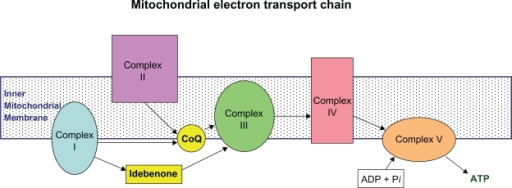
CoQ10 helps transport electrons along the Electron Transport Chain in the mitochrondria (found of every cell in our body) to make energy (ATP). Image source here.


Contrary to popular belief, a naturopathic doctor won't tell you to stop taking a medication if it is indicated; instead he or she will learn about your condition and your medication regime, and then may recommend particular foods to be eaten or supplements to be taken in order to restore the body of nutrients that may be loss due to the medication. 

I'll take this time to remind readers naturopathic doctors are not anti medical doctors! We believe in an integrated system in which both fields of medicine (allopathic and naturopathic) work together to treat the whole condition. For instance, medical doctors are very good at treating acute and emergent conditions (Strep throat, broken ankle, appendicitis, etc) while naturopathic doctors excel at treating chronic, lifelong conditions (chronic pain, diabetes, seasonal allergies, etc).

2013-05-26

Medical Monday 1: Mind and Mood

Today we're chatting about mind and mood.

Lately, I've received lots of questions about mind and mood, and what are some things that could be done to improve it naturopathically. This obviously isn't an exhaustive list and you should of course consult your own naturopathic doctor or health care provider to discuss an individual treatment plan, but here are a five mind and mood 'boosters'. 

1) Dietary Additions, like egg yolks. According to this article, titled "Eat Your Egg Yolks", the choline found in egg yolks helps healthy brain development (so eggs are very beneficial for pregnant moms). There are many other foods that help the mind and mood. Talk to your healthcare provider, dietitian, or naturopathic intern (find one here!) for more dietary support. 


2) Mood Gym. This website features exercises to help people who experience anxiety and depression. It's free, but you have to sign-up/create an account to start using the exercises. 

How about a life-size game of chess to boost your mind?

3) Mindfulness. Interested in learning more about mindfulness? I learned about mindfulness in school, but also with the help of this book.

4) Fatty Acids. The standard north american diet is heavy in omega 6 fatty acids and low in omega 3 fatty acids. The healthy ratio of omega 6 to omega 3 should be about 2:1, but research says the ratio is now more like 15:1. Yikes! Thankfully omega 3s are found in some yummy foods, like fish, walnuts, flaxseeds, and even grass-fed beef.
Salmon has omega 3 fatty acids

5) Herbal Support. This Summer, second-year students will be writing NPLEx 1 and new graduates will be writing NPLEx 2. In preparation for this major exams, many herbal supplement companies were offering deals to students on herbal mind support. Herbs like Gingko and Bocoba were selling like crazy! There are lots of herbs to help balance mood or boost memory. Talk to your naturopathic intern to find the herb support for you. 

2013-03-30

Vitamin B12 Injections and More

On Monday, I performed my first vitamin B12 injection. 


Vitamin B12 (also known as cobalamin), is a B-vitamin in the body. It is water-soluble, so when the body has enough of this vitamin, it will simply pee out any excess. Overdose or toxicity from vitamin B12 is extremely rare due to its water-solubility. Vitamin B12 can not be synthesized by the human body so it must be consumed. It is found in animal products, so vegetarians (who don't eat a lot of eggs or dairy) and vegans need to supplement B12. Nonetheless, even meat-eaters can be deficient in this vitamin and benefit from supplementation!

Importance: Vitamin B12 is super important for cell metabolism, DNA synthesis, neuron function, and more. If you are deficient in vitamin B12 you may feel fatigued, weak, experience brain fog or poor memory, suffer from constipation, asthma attacks (in asthmatics), have a sore tongue or canker sores, and/or decreased (numbness) or increased body sensations (tremors or tingling).

Supplementation Means: If you are supplementing, aim for sub-lingual tablets (i.e. pills that you place under the tongue until dissolved) or vitamin B12 injections. These two supplementation forms ensure that vitamin B12 is well-absorbed by the body because they enter the blood stream more efficiently than swallowing a tablet that needs to go through the entire digestive tract before it is absorbed.

Injections: Naturopathic doctors can provide vitamin B12 injections. They are very expensive and minimally painful. You simply get an injection into the deltoid muscle on the shoulder (that big muscle on the side of the shoulder). Some people get injections weekly, biweekly, monthly, or on a as-needed basis depending on their needs. Most people feel a sudden surge of energy after receiving an injection! Vitamin B12 is the energy vitamin, so this makes sense.

Who should supplement with B12? People with pernicious anemia (an autoimmune disorder) need regular vitamin B12 supplementation as they are lacking intrinsic factor, a molecule that helps with B12 absorption. Vegans and vegetarians need to supplement. People with asthma may benefit greatly. And of course those who through a medical intake, present with the symptoms of B12 deficiency. Simple blood work can also detect low levels. The elderly may also benefit.

Parting Words: Talk to your healthcare provider if you are concerned about your vitamin B12 levels. Also of note, vitamin B12 is a beautiful, bright red color, so the fluid injected into the muscle and the tablets you take sub-lingual, should be both red. Don't worry, there aren't any dyes or artificial colors; that gorgeous color is all natural!

2013-03-04

...and we're back!

...back to school, that is. 

After 2+ weeks of reading week and midterms, today was the first day back to school. It was busy being back to the grind, but I missed the hustle of bustle of daily school (however, some aspects were extremely stressful, so I hated those parts of today... more on that in another post). Also, now that it is March, things are busy again so I can't guarantee daily posts. I'll pop in as much as I can, but if I don't post, it's because life and school are really hectic!
___________________________________ 

Check out this awesome Canadian health news! I've talked about dandelion root in the past as a good liver detoxifier and replacement for coffee, but who knew that it fights cancer? I'm actually having a cup of dandelion tea right now as I type! Here's my favorite brand, but you can also buy this one, or this one. Or, as explained in the news article, you can make your own by grinding dandelion roots!


Image taken from the Traditional Medicinals website. 

2013-02-19

The Naturopathic First Aid Kit/Pantry

I've been tallying up (in my head) all of the naturopathic medicines we keep naturally in our household. Products that you probably already have in your cupboard, but maybe didn't know that they could be used medicinally. While seeing a naturopathic doctor isn't cheap (unless you have private health insurance), a lot of the things that an ND will recommend are very inexpensive and are even free if you already keep a well-stocked pantry. It's what I love most about naturopathic medicine: finding natural ways to take care of ourselves. It reminds us that food (and other household goods) is medicine!

Below is my running list* of things that should be kept on hand as part of the Naturopathic First Aid Kit (also known as the Naturopathic Pantry). Most of these items are likely already kept in your the kitchen!

*This list a work in progress. I will continue to update this list as items come to mind. Feel free to add items to the comments of this post if you think of others.


Naturopathic First Aid Kit/Pantry

Coconut oil - great for skin as a moisturizer, use to make deodorant
Oats - for itchy skin add to baths, eat to relieve constipation, use in homemade face masks
Rice - use to make for congee (especially when experiencing gut troubles), part of the BRAT diet
Socks (thick, wool socks and a pair of thin, regular socks) - perform "wet socks" when getting sick
Ginger chews - for nausea, helps digestion after a big meal, carry on plane trips for motion sickness, warming after eating something cold/cooling. I like this brand.
Unsweetened cranberry juice - for urinary tract infections (UTIs)
Peppermint tea - to combat colds, helps digestion (don't forget to cover it)
Chamomile tea - to sooth tummy aches, helps babies teeth
Black tea - stops bleeding
Epsom salts - add to baths to relax muscles, great for injuries
Raw honey - dab onto acne (antimicrobial), make homemade cough syrup, mix with hot water and lemon when sick, soothes sore throats
Sea salt - gargle when sick, use as a natural exfoiliant when mixed with coconut oil (rub the mixture onto the body in the shower then wash off)
Apple sauce - part of the BRAT diet, replacement for eggs
Flax seeds - helps regulate hormones (part of the seed protocol too) good during PMS and menopause, replacement for eggs, 10 ways to eat more flax here.
Cayenne pepper - sprinkle on cold toes, a natural decongestant when eaten or inhaled
Olive oil - use to dilute essential oils, heart protective
Oranges/tangerines - dry the peels, then steep in tea to help digestion (dampness in TCM), eat when getting sick for the vitamin C and flavinoids
Onions - apply to ear during an ear ache, make homemade cough syrup, eat lots when sick in soups
Garlic - eat when sick in soups, lowers blood pressure, is anti-microbial
Lemon - in water it has many uses: acts as digestion stimulant, it helps the liver detox, flavors water, and drink hot when sick with honey
Kettle, bowl, and a towel - use for steam inhalation (place boiling water from the kettle into the bowl, place your face above the bowl, and wrap your head with the towel, trapping yourself into a little tent full of steam), add essential oils to this (~5-10 drops) if you have them

More: check out my post on culinary spices as medicine and one on herbal teas. 

2013-02-11

Pineapple Stem to the Rescue!

Did you know that pineapple stems contain medicine? Bromelain is a naturally occurring chemical found in pineapple stems that is very healing and beneficial to the body.

However, you can't eat pineapple stems in order to reap its medicinal benefits. Unfortunately, bromelain is only able to be extracted in laboratories by supplement companies.

We naturopaths prescribe Bromelain to patients suffering from musculoskeletal injuries or complaints, like muscle pain, strains/sprains, and even arthritis, as Bromelain is anti-inflammatory. But when you take Bromelain  make sure to take it away from food to get its anti-inflammatory effects. However, if you do take it with food, it's safe. You'll just get Bromelain's digestive benefits and not its anti-inflammatory effects.

That's right: this supplement has two completely different effects in the body depending on whether it is consumed with food or not.  So, let's recap:


With food: digestive enzyme (helps to better digest food)

Without food: anti-inflammatory agent (helps treat muscle injuries/aches/pains)

2013-02-03

Ice = Iron

Did you know that a craving to chew on ice is a sign of deficient iron?

Check out this link for a tutorial on do-it-yourself lego ice!

2013-01-29

10 Ways to Eat More Flax

A special post for anyone looking to add more ground flaxseed to their diet! Ground flax is an awesome source of phytoestrogens; molecules that help the body better regulate (and protect against the harmful effects of) their own hormones. Taking 2 tablespoons (~10 grams) of ground flax a day has been thought to help pre-menopausal women lessen their menopausal symptoms and to protect post-menopausal women from endogenous estrogens (meaning it may be protective against hormonal-induced cancers, such as breast and prostate cancer). Even if you aren't a woman, you can still benefit from eating flax on a regular basis due to its omega-3 fatty acid content (healthy fats), it's fiber (helps lower cholesterol), and it's protein (keeps you fuller for longer)! 


10 ways to get more flax in your diet:

1) Eat whole grain, seedy breads that contain flaxseeds. Like this one or this Canadian one.  
2) Eat Mary's Crackers (gluten-free crackers made mainly out of flax seeds. 
3) If you love chips (and must eat them no matter how bad they are for you :P), make your chips contain some flax, like these ones (can be purchased at bulk food stores):

http://www.allbulkfoods.com/images/catalog/544230.jpg
Source
4) Stir into yogurt.
5) Stir into oatmeal.
6) Add to smoothies. 
7) Sprinkle on plated pasta, chili, or soups. 
8) Eat a cereal containing flaxseed, like a hearty, seedy granola or this gluten-free cereal.
9) Add to homemade granola bars, muffins, or cookies like these delicious ones.  
10) Make bread out of flaxseeds, recipe here. 

2013-01-22

Mg and B6

Oral contraceptives (also known as birth control pills) deplete our levels of vitamin B6 and magnesium. Therefore, most naturopathic doctors recommend supplementing these two nutrients in females taking oral contraceptives long-term. A long-term user of oral contraceptives may need to take a vitamin B-complex (a supplement containing all of the B vitamins) to account for long-term B-vitamin depletion due to oral contraceptive-use. 

Another fun fact: why do women often crave chocolate and carbs around their period/menses? Because the menstrual cycle processes use-up magnesium and vitamin B6 (they are metabolic co-factors), and these foods are high in magnesium (chocolate) and vitamin B6 (carbohydrate-rich foods), respectively. Also, pre-menstrual symptoms (PMS) and menstrual cramps are physical signs that a women is low in these nutrients (magnesium and B6). 

Food as Medicine: Chocolate Tofu Pie to cure PMS symptoms (recipe here). 

*This article is not meant to diagnose or give nutritional advice; it's just some 'food for thought'! Please consult your healthcare provider to discuss your own health needs. Thanks! 

2012-12-01

Beyond Botanicals

My third-year Botanical Medicine prof is a genius.  No lie.  He is super knowledgeable about all things naturopathic medicine (which I guess is no surprise because he's been practicing for twenty years as an ND, I do believe), especially herbs.  Often the judicial system calls upon him as an expert witness whenever there is a legal issue involving herbs/botany.

Anywho, I mention this smart professor because his Bot Med lectures are usually filled with so much interesting material; cool stuff that goes above and beyond the course curriculum. Here are five neat things (not necessarily related to botanicals) that we discussed in his classes over the last couple of weeks:

1) Top three causes of infantile colic in breastfeeding moms: coffee, garlic, or onions in the mom's diet. 

2) Long term consequence of Epilepsy medications: osteoporosis.

3) 90% of our melatonin receptors are in our gut. Therefore supplemental melatonin (which people normally take to help them sleep better) maybe be beneficial for those suffering from gut issues (such as irritable bowel syndrome (IBS)). 

4) Beer has estrogenic effects, so perhaps it is not the best beverage for men...

5) Three side effects of potassium depletion: Alzheimer's disease, leg cramps, and heart arrhythmias.

2012-11-17

Probiotics and Constipation

You may have heard that probiotics help treat constipation. But how, you might ask? Thanks to a lecture on probiotics and children's health that I attended today, I know understand the mechanism:

Healthy, Happy Gut. 

Probiotics introduce good bacteria into the gut. ---> While in the gut, these good bacteria produce short chain fatty acids (such as butyric acid, propionic acid, and lactic acid). ---> The presence of these short chain fatty acids lowers the pH of the gut. ---> A lower gut pH stimulates peristalsis (increased wave-like contractions). ---> These contractions help move stool out of the gut. ---> Decreased incidence of constipation. ---> Healthier gut overall. 

2012-10-28

Supplementing, Part 3.

Part 3 of 3 of my mini-series on supplementing. It's long, but an important read if you are taking supplements! 

The supplement market is huge. A billion dollar industry. For someone new venturing into the market, it can be scary and a potentially expensive venture.

Where do you even begin to shop for a good supplement? What ones do you need? Where should I buy them ...health food store? ...pharmacy? ...doctor? ...online? What's a good price? A good brand? What about dosage?

As you can imagine from the questions posed above, there is quite a lot to think about in regards to choosing a good supplement. While I can't talk about every nitty gritty detail of supplementing on the blog, I am going to try to highlight some of the most important details today.

First of all, I must advise that you see a naturopathic doctor! Naturopathic doctors are nutritional supplement experts. No one else in the field has as much supplement training as we do (much more than health food store workers, nutritionists, or MDs).  We can also perform the relevant physical exams, ask the important intake questions, and requisition the lab tests required to determine your individual supplement needs.  Naturopathic doctors can also help you sort out all of the following things to consider when choosing a supplement:

Brand and Price: some supplement brands are much better than others. In fact, the supplements at the strongest therapeutic doses can't be purchased at a health food or drug store; they can only be purchased from naturopathic doctors. Unfortunately most of the no-name supplement brands (such as Life brand form Shopper's Drug Mart and Kirkland brand from Costco) are not very cheap cost-wise, but are not very good quality wise.  For the most part with supplements, you pay for what you get. The cheaper the supplement, the more likely that the quality of the product is poor, the dosage is wrong, and the availability is not very high.

Coating: some supplements are placed in capsules that don't pass easily or have coatings that are far to thick to be digested. Have you heard of multivitamins being nothing more than "expensive pee"? This is because some supplements don't break down in the body due to a thick coating, meaning the nutrients they contain are not absorbed, and thus all of the supplement passes straight through the body and ending up in the toilet bowl. This is especially scary when you are taking a supplement for a real health concern that needs supplementation to be corrected: here you are taking a supplement under the impression that you are absorbing it, but low and behold it's just ending up down the drain. Don't waste your money on expensive pee!

Form: What is the best way in which to take your particular supplement? Capsule, tablet, tea, powder, liquid, injection, etc? Did you know that the best way to take calcium is in liquid form, vitamin B12 is via intramuscular injection, herbs are in alcohol-based tinctures, probiotics should be refrigerated, and that protein powder is best absorbed when eaten cold?

Dose and Timing: some supplements need to be taken with food, while others should be away from food. What about frequency: once, twice, or three times a day? Take as needed or daily? What about dose: are you trying to restore levels or maintain health?

Toxicity: some supplements interact with prescription medications, some raise your blood pressure, and there are others that should not be taken long term (greater than 6 weeks). What is safe for you and your body?

...and with that, I'll say it again: please consider seeing a naturopathic doctor for all your supplement needs. Even if you just make one appointment to discuss supplements, you'll be saving yourself money by not wasting money on expensive pee. When taking supplements, you want to get a therapeutic effect. Ensure that supplements are working for you by taking them at the correct dose, at the right time of day, in the best form, and in a safely manner.

2012-10-21

Supplementing, Part 2.

In Part 1 of my mini series on supplementing, I mostly talked about supplementing for optimal health. Our food isn't as good and our bodies don't digest/absorb as well; therefore we should supplement to make up for these deficits. That's all fine and dandy for healthy folks, but what about supplementing to combat illness? I'll tackle that topic today, in Part 2. 

When you are sick and are needing vitamin, mineral, or nutrient _____, unfortunately eating foods rich in this vitamin/mineral/ nutrient may not be enough to be therapeutic. According to my Clinical Nutrition professor, when you reach this point, the amount of vitamins/minerals/nutrients found in whole foods is (normally) not enough to correct a full-blown illness. I rant more about this here. :P

One example (and there are hundreds more) involves the treatment of iron-deficiency anemia.  If a patient's ferritin (aka iron) levels have dipped too low, the patient likely won't be able to bring their levels back up without the help of an iron supplement. Diet alone (likely) can't correct this deficiency. While the patient is encouraged to eat more iron-rich foods such as red meat, this dietary advice will be given in addition to a prescription for iron tablets.

Nevertheless, sometimes foods do contain enough vitamins/minerals/nutrients to be therapeutic. An example of this: consuming vitamin C during a cold. When you are sick, you could take vitamin C tablets, but eating lots of citrus, bell peppers, and broccoli, and drinking pure fruit juice will also work to keep vitamin C levels up. Another example of when whole foods work: eating soy for menopausal symptoms. You don't necessarily need to take soy isoflavones that are concentrated in tablet form to combat these symptoms; instead up your intake of tempeh, tofu, soy milk, miso, and edamame.

Eat up! These are all vitamin C rich foods.  Image source here. 

Wondering how to choose the best supplement? Stay tuned for Part 3 coming this week! 

2012-10-19

Cold Weather Protocol.

Here are some tid-bits to maximize your health as we enter the colder months of the year:

Vitamin C - now is the time to boost the immune system. Consider eating more vitamin C rich foods or tablets/capsules. Learn more about this vitamin here. When buying vitamin C, beware of ones containing artifical sweeteners or dyes, such as aspartame or sucralose. One cool product on the market is Emergen-C electrolyte powder packages. They are basically powdered vitamins and electrolytes that you can mix with water to create a sports-drink type of beverage.  The packets are portable so you can instantly turn any water into a vitamin-rich cocktail. Talk to your doctor about the best vitamin D dose for you.

Vitamin D - behold the sunshine vitamin! Learn more about it here. Take this vitamin from October until April to beat Winter blues, decrease your risk of cancer, and to optimize the immune system.  Talk to your doctor about the best vitamin D dose for you.

Scarves - I've already talked about their importance here (Physical Medicine theory) and here (Traditional Chinese Medicine theory).  Don't forget to wash them periodically during the  colder months to remove any pathogens that may have taken up camp.

Warming foods - goodbye salads, hello soups and stews! The warmer the food, the easier it is to digest and the more nourishing it is to the body this time of year. When our body spends time digesting, it has less time to spend repairing.

Hot tea - drink it up! We may not crave cold glasses of water or other beverages now that it is no longer hot, but keeping the body hydrated is super important all year wrong. Switch ice cubes for herbal tea bags. Bonus: herbal teas have many medicinal properties too!

2012-10-18

Supplementing, Part 1.


In honor of my Clinical Nutrition midterm exam today, let's chat about supplements!  Part 1 of 3. 

First of all, have you heard of Biochemical Individuality before? Everyone is different; we all have different genetic backgrounds, metabolisms, and biochemistries, thus we all have different, yet specific nutritional, needs for our own optimal well-being. The theory of biochemical individuality is that even though there are recommended dosages to follow when supplementing, these doses can vary from individual to individual.

So, why supplement at all? 

Problem 1 Food Quality: Why can't I get all I need from whole foods? Unfortunately, our food today is not what it used to be. Even whole foods purchased from the store that appear nutritious can be deficient in nutrients due to poor soil quality, genetic modification, pre-mature/un-ripe harvesting, and continent to continent transportation, to name a few. The vitamin and mineral content in the foods we eat today are not as high as they were fifty years ago.

Problem 2 Absorption Issues: We don't absorb food as well as we used to. Why all the absorption issues? Because we eat too much sugar, throwing off our whole digestion and metabolism; because we eat on the run, we don't "rest and digest", not giving our body the time and atmosphere in order to fully digestion; we eat the wrong foods, confusing and degrading our bodies; we at the wrong times and even when our body doesn't even want food (i.e. boredom hunger).

Much more to come, stay tuned for Parts 2 and 3! 

2012-10-05

B12 for Asthma?

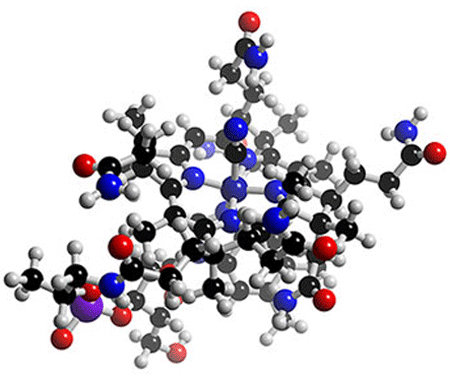
Vitamin B12

Today in Physical Medicine, we learned that injecting vitamin B12 into the infraspinatus muscle (located over the scapula, aka the shoulder blade), is used to treat asthma!  That's right: a vitamin... injected into a muscle... can help a respiratory condition... like asthma.  That body is so weird at times. Research papers supporting this theory are located here and here. 

Mechanism: it is believed that asthma is often due to a sulfite allergy. As a result, vitamin B12 (aka cobalamin) can help because it helps to produce a sulfite-cobalamin complex that blocks the action of sulfites in the body. It also decreases bronchospasms caused by sulfites due to its oxidative nature in the body.

2012-10-01

Monday Highlights.

Image source here.

Today was a brain-bursting kind of day.  Lots of cool info all packed into one (typically) boring Monday! Some highlights:

- How to determine if a seed is still fresh (e.g. cumin seeds, mustard seeds, anise seeds, parsley seeds, etc): chew on one! If it tastes woody and not flavorful, then the seed is old and the medicinal volatile oils have evaporated or degraded.
- Classmate says to professor: "How do you reduce male pattern baldness?" Professor's response: "If I knew the answer to that question, I'd been lounging on an island right now".
- People with kidney stones are often dehydrated and deficient in vitamin B6 and magnesium. Supplement these nutrients or eat foods rich in them.
- Apitherapy (apis = bee) is a technique used by some (not NDs! We just learned about it for fun) to treat rheumatism arthritis. It involves stinging a patient's rheumatic/flared-up joint with a live honey bee!  Apparently the bee sting is enough for the immune system to stop attacking the body's own joint and focus on the bee sting instead.  Repeated stinging yields best results.
- Another reason to supplement vitamin D this Winter: new research reveals that vitamin D is precursor in the tumor fighting pathway of the body.
- When blood sugar levels reach 9-10 mmol/L, the sugar (glucose) spills into the urine, giving urine a sweet smell and taste... yes, taste. Before the invention of urinalysis, doctors used to taste their patient's urine to assess for sweetness and thus diabetes.
- Lastly, I got to play doctor and interview a patient today during Primary Care. In addition to asking a million questions, I also had to chart my findings (aka complete a medical record) and perform relevant physical exams on the patient. It was a great experience and I was proud of my performance (not sure what the prof thought, doesn't matter though, I'll see my evaluation in two weeks).  Anywho, the point of this story: I think I've picked the right profession when I find taking a case to be "fun" :)

2012-09-30

Nutrition Doesn't Mean Diet.


What do you think of when you hear the word nutrition? 

You might think of a diet rich in nourishing foods. 
You might think of recipes and healthy cooking techniques. 
You might think of wholesome foods, like fruits and veggies, nuts and seeds, and hearty grains. 
You might think of fancy health foods, like hemp seeds, goji berries, and maca powder.

However, "nutrition" in the naturopathic world is very different from the scenarios pictured above. I've said many times on the blog that nutrition is my favorite modality, but unfortunately I don't feel like I've ever explained what exactly I mean by nutrition.

The naturopathic nutrition modality has almost nothing to do with diet. Whenever I explain what a naturopathic doctor does, and I mention that we treat using nutrition (one tool amongst our massive toolbox), people think "Oh, you just tell your patients to lay off the fries and eat more salad, gotcha".  While naturopathic doctors most definitely do do dietary counseling, that aspect of our job fits better in the "lifestyle counseling" modality.

When I say that NDs use nutrition, I want you know that this entails much, much more than simply telling patients to skip the fries...

Nutrition involves treating patients with high dose vitamins, minerals, macronutrients, and micronutrients, etc, to prevent, treat, or cure disease/illness. Nutrition is one the most allopathic (i.e. mainstream medicine) thing that naturopathic doctors use. It's actually quite pharmaceutical (e.g. take this vitamin B5 pill, three times a day, with meals). However, the content of these medicines/supplements are natural substances (non-synthetic), that naturally already exist in the body, and have very few (if any) side-effects.

My understanding of Nutrition depends a lot on my Biochemistry background (in fact, all CCNM students must take two courses in Biochemistry in order to complete the program; understand the biochemical pathways is necessary in order to understand how nutrients impact health. All nutrients (those found in foods and in supplements) are nothing more than a bunch of co-factors required by various enzymes in the body. And that is really all that health is too: a bunch of optimally operating biochemical pathways!

Whenever I say on the blog "We learned about an awesome way to treat chronic fatigue syndrome (CFS) in Nutrition class", I don't mean we learned that eating more kale, sweet potatoes, and egg yolks can cure chronic fatigue, but rather that supplementing high-dose vitamin B12, glutathione, n-acetyl cysteine, and alpha-lipoic acid can correct chronic fatigue syndrome.

It may seem allopathic to treat with such minute compounds, but as my Clinical Nutrition professor said in class [paraphrased], these specific treatments are required to correct complex illnesses.  Often when patients seek health care, their illness is grave enough that adding more kale simply won't due the trick.

Obviously a CFS patient wouldn't have to be on this supplement regime for life; he or she will likely have to follow the treatment plan for several months until improvement is seen. Only then, when the patient is back to a optimally-functioning level, can the patient use whole foods to maintain health.

What is often seen in the field of naturopathic medicine is that isolated, high-dose nutrients are needed to tackle serious health conditions. Diet and food alone don't always cut it!

2012-09-01

Cholera Outbreak.

Image source here.
In the news lately, there have been reports of a cholera outbreak occurring in Sierra Leonean. Sadly, this recent outbreak has cause over 300 deaths! It is the same disease that affected parts of Haiti (source).

What is cholera? Cholera is a disease caused by Vibrio cholerae, a microorganism that when ingested wrecks havoc in the small intestine, causing lots and lots of watery diarrhea (and vomiting). Cholera is spread by drinking water that has been contaminated by feces (in the case of Sierra Leonean and Haiti, this was likely due to mass flooding, mixing clean water with dirty, fecal matter-contaminated water). 

The most unfortunate part, is that even though hundreds of people are dying, the treatment to this disease is quite simple. The vomiting and diarrhea can lead to dehydration (loss of water).  Dehydration, when not treated, can cause death due to electrolytes being imbalanced (sodium, potassium, etc).  It is this dehydration/electrolyte imbalance that is killing people, not the Vibrio cholerae itself. The treatment for cholera is simply to correct the dehydration/electrolyte imbalance with sports drinks (like Gatorade), water mixed with honey, sea salt, and lemon, or the fancy oral rehydration solution. 

2012-08-30

Jet Lag Prevention?


Last year, I had one of my professors swear that in order to prevent jet lag, that you need to lie on the ground for 15-30 minutes once you've reached your destination.  He says you literally have to ground yourself.  By lying on the ground, you're aligning yourself (more specifically, your circadian rhythm) with the new rhythm of this new place. The weird thing is, he wasn't the only person to tell me this! I've had others swear by the technique.  It's only anecdotal evidence, which is less convincing; nonetheless, I am curious to try it next time I travel outside of my time zone.

Another natural jet lag prevention tool I've heard of is to take melatonin. Talk to your doctor if you suffer from jet lag often and want to give melatonin supplements a go. 
 
Question for the day: Anybody else heard of 'grounding yourself'? 
 
 
P.S. If you think that this jet lag theory is completely crazy, I can promise you that not all of my professors are this crazy :P 

P.P.S.  Yesterday, I talked about congee and how it's good to eat during Earth time and changes of season (according to TCM theories).  Well, late last night, I stumbled across this restaurant in Toronto: Congee Time! A restaurant devoted to congee (and other Asian cuisine delicacies). They serve ~20 different types of congee.  I definitely want to try the Taro and Sweet Corn congee that I spotted on their menu. Also speaking of congee, I have made this flavor before, sans chicken.  Which I highly recommend especially if you like sesame oil. Mmm.