Hello dear readers,
I've decided to take a blogging hiatus. Clinic has been quite demanding (in a good way! I'm learning lots!) and thus I've been spending my downtime far away from my computer. I haven't had the energy to blog nor the enthusiasm (when you spend your days talking about health and wellness, it makes evening chats about the same topics a tad more difficult). I do still love blogging, but lately I haven't been inspired... So I am taking a break until I get my blogging groove back.
Thanks for reading for all these years and for understanding the current situation. Until I write to you again, enjoy your Summer!
--- The Navigator

2013-06-17

2013-06-11
Treatment Tuesday 3: Drink Up!
Want to know how much water you are drinking in a day?
Drink from a measuring cup!

At the restaurant The Works, they serve their water in big measuring cups. Thanks to these cups, I now know that I drank a liter over the course of my dinner (2 of these cups = 1 L).
If you struggle to consume 2 L of water a day (the recommended amount for healthy adults) maybe a measured drinking device would help you keep track of the water you are consuming.
2013-06-07
Foodie Friday 3: Protein in the Morning
Last week I reviewed some gluten-free cereal options, but I started the cereal ranking by saying that of all the cereals, hot cereal (oatmeal, quinoa porridge, rice porridge, etc) are the best. Why? Because they are the cleanest (no added anything), they are full of fiber, and they have protein.
It is very important to eat protein in the morning. It keeps you full for longer and helps set the tone of your appetite for the rest of the day.
However, most people don't eat enough protein in the morning. Take cereal, the most popular breakfast food: as reviewed last week, most cereals available at grocery stores do not contain near enough protein. They are mainly made of carbohydrates; most of which are simple, refined carbs that don't contribute to satiety (fullness and meal satisfaction) and throw blood sugar out of whack. Even when paired with a glass of cow or goat milk*, the cereal plus milk meal will still likely fall short on the protein and will contain too many carbohydrates. *If you use almond mylk in your cereal, then the protein content will be even lower!
It is very important to eat protein in the morning. It keeps you full for longer and helps set the tone of your appetite for the rest of the day.
However, most people don't eat enough protein in the morning. Take cereal, the most popular breakfast food: as reviewed last week, most cereals available at grocery stores do not contain near enough protein. They are mainly made of carbohydrates; most of which are simple, refined carbs that don't contribute to satiety (fullness and meal satisfaction) and throw blood sugar out of whack. Even when paired with a glass of cow or goat milk*, the cereal plus milk meal will still likely fall short on the protein and will contain too many carbohydrates. *If you use almond mylk in your cereal, then the protein content will be even lower!
 |
| Nothing says good morning like (buckwheat) pancakes |
Ten higher protein alternatives to milk & cereal for breakfast:
(in no particular order)
1) Hot cereals, like oatmeal, quinoa, or amaranth porridge
2) Hearty grain* toast with nut butter
3) A smoothie with fruit, greens, and protein powder
4) Scrambled eggs (or tofu) with veggies
5) Poached or boiled eggs (if you eat eggs)
6) Cottage cheese, greek yogurt, or hard cheeses (if you eat dairy)
7) Leftovers (rice dishes, bean dishes, stir-fry, chili, stew, etc)
8) Protein bars (opt for lower sugar ones)
9) Hearty grain* waffles, pancakes, crepes, or muffins
10) Nuts, trail mix, museli, or granola with milk of choice
*Whole wheat, multi-grain, kamut, spelt, buckwheat, amaranth, teff, sorghum, almond flour, etc
2013-06-04
Treatment Tuesday 2: Convocation 2013
I attended the class of 2013's convocation about a week ago. It was a lovely ceremony in which ~120 new naturopathic doctors graduated! One particularly exciting moment was when the 2000th CCNM graduate was announced. Wow, to think there are 2000 naturopathic doctors (from CCNM alone, there are six more naturopathic medical schools in North America) out there...

Another exciting moment: when the students all read the naturopathic oath together out loud!

And yet another exiciting moment: realizing that in one year's time it will be my time to convocate!
Congratulations to the new NDs!
2013-06-03
Medical Monday 2: Nutrient Depletion
If you are taking pharmaceutical medication for a health condition, it can be very helpful to talk to a naturopathic doctor to learn about the nutrients in the body that may be depleted as a result of taking this medication.
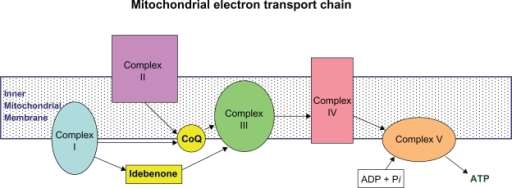
For example... birth control pills deplete B vitamins, statins (cholesterol lowering medications) deplete the essential energy shuttling molecule CoQ10, and antibiotics deplete your 'good' gut bacteria ...but luckily all of these depletion can be restored through diet and nutritional supplementation.
Contrary to popular belief, a naturopathic doctor won't tell you to stop taking a medication if it is indicated; instead he or she will learn about your condition and your medication regime, and then may recommend particular foods to be eaten or supplements to be taken in order to restore the body of nutrients that may be loss due to the medication.
I'll take this time to remind readers naturopathic doctors are not anti medical doctors! We believe in an integrated system in which both fields of medicine (allopathic and naturopathic) work together to treat the whole condition. For instance, medical doctors are very good at treating acute and emergent conditions (Strep throat, broken ankle, appendicitis, etc) while naturopathic doctors excel at treating chronic, lifelong conditions (chronic pain, diabetes, seasonal allergies, etc).
For example... birth control pills deplete B vitamins, statins (cholesterol lowering medications) deplete the essential energy shuttling molecule CoQ10, and antibiotics deplete your 'good' gut bacteria ...but luckily all of these depletion can be restored through diet and nutritional supplementation.
 |
| CoQ10 helps transport electrons along the Electron Transport Chain in the mitochrondria (found of every cell in our body) to make energy (ATP). Image source here. |
Contrary to popular belief, a naturopathic doctor won't tell you to stop taking a medication if it is indicated; instead he or she will learn about your condition and your medication regime, and then may recommend particular foods to be eaten or supplements to be taken in order to restore the body of nutrients that may be loss due to the medication.
I'll take this time to remind readers naturopathic doctors are not anti medical doctors! We believe in an integrated system in which both fields of medicine (allopathic and naturopathic) work together to treat the whole condition. For instance, medical doctors are very good at treating acute and emergent conditions (Strep throat, broken ankle, appendicitis, etc) while naturopathic doctors excel at treating chronic, lifelong conditions (chronic pain, diabetes, seasonal allergies, etc).
2013-05-31
Foodie Friday 2: Gluten Free Cereal Guide
There are SO many gluten free cereals on the market, I had a hard time deciding where to even begin with this post... but here goes. My first attempt at summarizing the g-free cereal brands on the market. In order of BEST to WORST, in my opinion.
1. Hot Cereal I really don't advocate cereal because, as you'll see from this summary, MOST g-free cereals are empty calories. They are made of corn or rice (practically void of protein and fiber) and contain way too much sugar. I'd rather eat a bowl of plain oatmeal where I get to choose my own toppings, fillers, and sweeteners. Alternatively, homemade granola is an amazing 'cereal' option.
 |
| An old picture of oatmeal with almond butter swirl and strawberry jam. |
2. Enjoy Life Enjoy Life is a company that focuses on allergen-free foods. Their flax crunch cereal (pictured below) is stellar. The ingredients? Sorghum flour, flax, honey, raisin juice (for sweetener), and salt. No junk, no refined sugar, no corn or rice. The nutritional stats are great too (7 grams of protein per serving! That is very high for a g-free cereal). If it is too 'plain' for your liking, try dressing it up with berries, a vanilla nut mylk, chopped banana, or a sprinkle of cinnamon. If you find it super bland, you could eat it with a sweetened nut or soy mylk to add some more sweetness.
3. Barbara's Similar to Enjoy Life's products, Barbara's uses some alternatives to refined sugars, like molasses. Their products are mostly made of oat flour, but beware because others are mainly corn-based. Overall, I still like Barbara's because their ingredients lists are pretty straight forward. Just be mindful of the corn based varieties and that some of their cereals do contain gluten.
4. Nature's Path Nature's Path is the gluten-free cereal king! They have TONS of varieties. They have g-free granola, puffed cereal, flake cereal, etc. However, they are mostly made of corn and rice and I find them to be very, very sweet. Mesa Sunrise is probably the most nutritious because it contains ground flax... but it's still corn based. *Sigh*.
5. Glutino Not a fan of these cereals. While Nature's Path is corn and rice based, and is sugary, they at least have flax, hemp, and other healthy ingredients added. Glutino cereals are pretty plain and pretty nutritionally void.
6. General Mills/Kellogg's/Post Oh, boy. The big cereal brands are now making gluten free versions of their classic cereals! You can get g-free Rice Krispies, Chex, Cocoa Puffs, Trix, Fruit Pebbles, and more. Don't be tricked into thinking that these are healthy cereals now that they have been dubbed gluten-free... they are still the same old candy cereals that they've always been.
More to come! Next week I'll be featuring a homemade cereal recipe...
 |
| The best (in my opinion)! Image source here. |
2013-05-28
Treatment Tuesday 1: I'm in clinic!
I've been in clinic for almost two weeks now and boy-oh-boy has it been exciting! So far, so good. I'm am loving my supervisors, shifts, schedule, office, and all that jazz.
I am shocked at how easy the transition from student to intern would be. Upper years told me that you'd be "very uncomfortable" for AT LEAST a month. But surprisingly, I haven't been nervous! I've actually felt very comfortable in my new role. I guess that means that I'm in the right profession :)
So what have I done so far... had a shift in the Botanical Compounding Room (see below), had a full day of orientation/training for the Adjunctive Cancer Care shift, started at a satellite clinic, performed acupuncture, and even given some vitamin B12 injections. It's been a very busy, but very exciting couple of weeks.
I am shocked at how easy the transition from student to intern would be. Upper years told me that you'd be "very uncomfortable" for AT LEAST a month. But surprisingly, I haven't been nervous! I've actually felt very comfortable in my new role. I guess that means that I'm in the right profession :)
So what have I done so far... had a shift in the Botanical Compounding Room (see below), had a full day of orientation/training for the Adjunctive Cancer Care shift, started at a satellite clinic, performed acupuncture, and even given some vitamin B12 injections. It's been a very busy, but very exciting couple of weeks.
 |
| Look at all those tinctures (back wall)! To the right are loose leaf herbs that can be used for teas! |
2013-05-26
Medical Monday 1: Mind and Mood
Today we're chatting about mind and mood.
Lately, I've received lots of questions about mind and mood, and what are some things that could be done to improve it naturopathically. This obviously isn't an exhaustive list and you should of course consult your own naturopathic doctor or health care provider to discuss an individual treatment plan, but here are a five mind and mood 'boosters'.
1) Dietary Additions, like egg yolks. According to this article, titled "Eat Your Egg Yolks", the choline found in egg yolks helps healthy brain development (so eggs are very beneficial for pregnant moms). There are many other foods that help the mind and mood. Talk to your healthcare provider, dietitian, or naturopathic intern (find one here!) for more dietary support.

2) Mood Gym. This website features exercises to help people who experience anxiety and depression. It's free, but you have to sign-up/create an account to start using the exercises.
 |
| How about a life-size game of chess to boost your mind? |
3) Mindfulness. Interested in learning more about mindfulness? I learned about mindfulness in school, but also with the help of this book.
4) Fatty Acids. The standard north american diet is heavy in omega 6 fatty acids and low in omega 3 fatty acids. The healthy ratio of omega 6 to omega 3 should be about 2:1, but research says the ratio is now more like 15:1. Yikes! Thankfully omega 3s are found in some yummy foods, like fish, walnuts, flaxseeds, and even grass-fed beef.
 |
| Salmon has omega 3 fatty acids |
5) Herbal Support. This Summer, second-year students will be writing NPLEx 1 and new graduates will be writing NPLEx 2. In preparation for this major exams, many herbal supplement companies were offering deals to students on herbal mind support. Herbs like Gingko and Bocoba were selling like crazy! There are lots of herbs to help balance mood or boost memory. Talk to your naturopathic intern to find the herb support for you.
2013-05-25
Summary Saturday 1: Water Bottles
Today we're reviewing and chatting about water bottles.

Toronto's bed of water (pic taken from the Toronto Islands)
- Remember the BPA scare of 2007? Everyone ditched their plastic water bottles (remember good old Nalgene bottles? Boy were they popular, but since that scare I never see them anymore) in favor of stainless steel bottles or glass bottles. However, you can still buy plastic bottles today that claim to be BPA-free, which are good if you worry about glass breaking or the extra weight of these heavier materials.
- As of late, I've been intrigued by the idea of water bottles that feature filters. You fill the water bottle with tap water, then as the water passes through the spout into your mouth, it passes through a filter that is supposed to remove chlorine, chloramine, and other particles that you don't want to be consuming. Here's one brand and here is another (the later is made of plastic, though is BPA-free plastic). I don't own a filtering water bottle, but I am considering purchasing one when it's time for a new bottle.
- I'm also a fan of hot and cold water bottles. These bottles are insulated so that you can keep cold water in them or boiling hot water (for tea or coffee) without feeling the water's temperature on the surface of the bottle. Dual purpose! I like have this brand, but many of my classmates use this one. These bottles are perfect for those who like to drink both hot and cold liquids throughout the day (like me!).
- Also, on the topic of water, check out this cool contraption that allows you to collect rain water into a bottle for drinking! It's a neat design, but I can't see how a regular kitchen funnel wouldn't do the same thing (for cheaper too).
2013-05-24
Oopsie Daisy! (Foodie Friday 1)
Whoa, whoa, whoa! Hold the phone!
What happened to the new blogging schedule starting on Monday, May 20th? Um, yeah. I got side-tracked by all the wonderfulness of being in Clinic! My sincere apologies.
Let's get back on track today, with the first Foodie Friday blog post!
 |
| It's almost 'burger season' (also known as 'Summer') |
Looking for some healthy dinner inspiration? Well, I've got five wonderful, Summer-y, and healthier dinner recipes, collected from around the web, to share with you today.
Happy cooking!
1) Sweet Potato Burgers. It's almost barbecue and burger season. These vegetarian burgers are wonderful when topped with avocado (as suggested in the recipe). Make them gluten-free by using gluten-free instant (or slightly ground rolled oats) instead of panko bread crumbs.
2) Green Sushi Salad. We've made variations of this wonderful dish in our home many times, but here is a professional recipe with pretty pictures. With this you get sushi, without the fuss of rolling the ingredients up.
3) Jarred Salads. This would actually make a wonderful lunch, but you could have it for dinner too, especially if you were having a picnic! The key is to keep the dressing at the bottom of the jar to prevent the salad greens/veggies from getting soggy. When it is time to eat, simply shake it up and dig in.
4) Chopped Kale Salad with Creamy Almond Ginger Dressing. This recipe is wonderful, but the dressing is really where it is at. Make the dressing and pour it over any salad of your liking or pour it on top of baked or steamed vegetables. Oh, and it also makes a great dip for raw vegetables.
5) Shrimp Mango Tacos. I don't normally eat shrimp, but I love the idea of these lettuce-wrapped 'tacos'. You could alternatively use chickpeas, chicken, or even baked tofu cubes.
Subscribe to:
Posts (Atom)