Showing posts with label Physiology. Show all posts

2013-06-03

Medical Monday 2: Nutrient Depletion

If you are taking pharmaceutical medication for a health condition, it can be very helpful to talk to a naturopathic doctor to learn about the nutrients in the body that may be depleted as a result of taking this medication. 

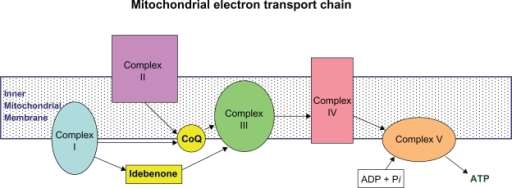
For example... birth control pills deplete B vitamins, statins (cholesterol lowering medications) deplete the essential energy shuttling molecule CoQ10, and antibiotics deplete your 'good' gut bacteria ...but luckily all of these depletion can be restored through diet and nutritional supplementation. 


CoQ10 helps transport electrons along the Electron Transport Chain in the mitochrondria (found of every cell in our body) to make energy (ATP). Image source here.


Contrary to popular belief, a naturopathic doctor won't tell you to stop taking a medication if it is indicated; instead he or she will learn about your condition and your medication regime, and then may recommend particular foods to be eaten or supplements to be taken in order to restore the body of nutrients that may be loss due to the medication. 

I'll take this time to remind readers naturopathic doctors are not anti medical doctors! We believe in an integrated system in which both fields of medicine (allopathic and naturopathic) work together to treat the whole condition. For instance, medical doctors are very good at treating acute and emergent conditions (Strep throat, broken ankle, appendicitis, etc) while naturopathic doctors excel at treating chronic, lifelong conditions (chronic pain, diabetes, seasonal allergies, etc).

2013-04-19

Breast Cancer Causes (?)

Today, the most prevalent types of cancer in Canada are lung, breast in females, prostate in males, and colorectal/colon cancer (Source). So, let's chat about breast cancer for a second or two. While no one can pinpoint exactly what causes this type of cancer, there are several hypotheses behind the increased incidence of of breast cancer as of late: 

Plastics: plastics contain synthetic estrogens (xenoestrogns) which are endocrine distruptors, causing all kinds of endocrine disruption in the body (affecting not just the breast, but also the thyroid, adrenals, prostate, and more).
- Not breast feeding: not using the breast the way it was physiologically intended). Source.
Genetics: the BRCA1 and 2 genes. Source.
Shift work: Due to low melatonin levels due to odd nighttime light exposure (i.e. working at night) has recently be linked to breast cancer. Shift working nurses, in particular, are at risk of developing breast cancer. Source.
- Anti-perspirants: by applying these to the armpit, where is very close to the breast tissue. These products contain aluminum (a heavy metals), synthetic chemicals, and toxins. They stop sweating, but sweating is one of the body's mechanisms of detoxification. As we are not able to sweat wearing these products, the toxins that would normally leave the body through sweat, need to go somewhere... and since the breast is near by and fatty tissue to deposit in, toxins accumulate in the breast. We talked about this in one of my classes (Men's and Women's Health), but here is another source. By the way, "deodorants" don't really exist anymore. Almost all "deodorants" on the market are actually anti-perspirants; blocking perspiration.
- Bras: we didn't always wear bras, that's a new societal development, especially those with metal underwire. While there isn't any research to support this claim, there is a lingering hypothesis that bras compress the breast and that their underwire doesn't allow the lymphatics of the breast to properly drain. Whether or not this is true and is linked to breast cancer, tight clothes is not normally good for your body. For all my female readers: tonight, when you undress, take off your bra in front of a mirror. If there are bra indents/red marks on your skin after the bra is off, then it is too tight! When choosing bras, try to get ones without metal underwire if you can and make sure your bra is properly fitted (i.e. not too tight but still supporting you well to prevent sore necks/traps/back).
- Lastly, all those other cancer risk factors, like smoking, lack of exercise, obesity, stress, etc, etc, etc... 

Now that we've got the risks out of the way, here are some ways to improve your breast health!

- Massages: massage the breast, moving upwards, towards the clavicle to drain the breast lymphatics
- Consuming phytoestrogens, like soy and flaxseeds, on a regular basis
- Avoiding plastics as much as possible
- Wear a properly fitting bra and try for bra-free days if possible (weekends?)
- And all those other health promoting practices, like not smoking, exercising, getting enough sleep, maintaining a health weight, managing stress, eating well ...yadda, yadda, yadda!
- Talk to your doctor to learn more ways to keep your breasts healthy. This blog post was not meant to scare anyone into thinking that they are going to get (or got) breast cancer due to behavior X, Y, or Z, instead it was meant  to getting my readers thinking more about their overall breast health!

2013-04-17

Semi-Salty

Those who are mindful of their sodium intake also have to watch out for "hidden" sources. Ketchup and bread are both high in sodium and are often forgotten about. This cute "dip or squeeze" ketchup packet was seen in a restaurant; the package is cute, but the product still sucks.  :P

In my last Integrative Therapeutics lecture on Monday, we wrapped up our discussion of treatment options for cardiovascular disease, congestive heart failure, and hyperlipidemia. We also chatted about hypertension (though we had already completed a model on treating hypertension, aka high blood pressure, earlier in the semester).

We broached the topic of salt when we were covering the dietary modifications portion of the lecture. Those with hypertension should be extremely mindful of their salt (aka sodium chloride) intake as too much salt can raise blood pressure. My professor mentioned the product "No Salt" (the product Nu-Salt also exists, as do many other salt imitation products). Instead of being a jar of sodium chloride (NaCl), this product is made of potassium chloride (KCl). Therefore, it is sodium-free ...yet apparently still tastes "salty". I haven't tried this product and thus can't vouch for it's salty taste, but I am intrigued by the idea of a salt-less salt. According to Amazon, the reviews are mixed.

I know I will treat many salt-addicts as a doctor, so I am definitely interested in salty alternatives beyond products like Mrs. Dash and Herbamare (though I LOVE Herbamare and highly recommend it; it is made of salt plus herbs and seasonings) ...and of course I will recommend that patients use herbs and spices to season food instead of salt when possible.

2013-03-30

Vitamin B12 Injections and More

On Monday, I performed my first vitamin B12 injection. 


Vitamin B12 (also known as cobalamin), is a B-vitamin in the body. It is water-soluble, so when the body has enough of this vitamin, it will simply pee out any excess. Overdose or toxicity from vitamin B12 is extremely rare due to its water-solubility. Vitamin B12 can not be synthesized by the human body so it must be consumed. It is found in animal products, so vegetarians (who don't eat a lot of eggs or dairy) and vegans need to supplement B12. Nonetheless, even meat-eaters can be deficient in this vitamin and benefit from supplementation!

Importance: Vitamin B12 is super important for cell metabolism, DNA synthesis, neuron function, and more. If you are deficient in vitamin B12 you may feel fatigued, weak, experience brain fog or poor memory, suffer from constipation, asthma attacks (in asthmatics), have a sore tongue or canker sores, and/or decreased (numbness) or increased body sensations (tremors or tingling).

Supplementation Means: If you are supplementing, aim for sub-lingual tablets (i.e. pills that you place under the tongue until dissolved) or vitamin B12 injections. These two supplementation forms ensure that vitamin B12 is well-absorbed by the body because they enter the blood stream more efficiently than swallowing a tablet that needs to go through the entire digestive tract before it is absorbed.

Injections: Naturopathic doctors can provide vitamin B12 injections. They are very expensive and minimally painful. You simply get an injection into the deltoid muscle on the shoulder (that big muscle on the side of the shoulder). Some people get injections weekly, biweekly, monthly, or on a as-needed basis depending on their needs. Most people feel a sudden surge of energy after receiving an injection! Vitamin B12 is the energy vitamin, so this makes sense.

Who should supplement with B12? People with pernicious anemia (an autoimmune disorder) need regular vitamin B12 supplementation as they are lacking intrinsic factor, a molecule that helps with B12 absorption. Vegans and vegetarians need to supplement. People with asthma may benefit greatly. And of course those who through a medical intake, present with the symptoms of B12 deficiency. Simple blood work can also detect low levels. The elderly may also benefit.

Parting Words: Talk to your healthcare provider if you are concerned about your vitamin B12 levels. Also of note, vitamin B12 is a beautiful, bright red color, so the fluid injected into the muscle and the tablets you take sub-lingual, should be both red. Don't worry, there aren't any dyes or artificial colors; that gorgeous color is all natural!

2013-03-13

Why Juice, Pop, Coffee, and Beer Don't Hydrate

When we are thirsty or dehydrated, it is tempting to reach for a refreshing glass of orange juice, soda pop, or a can of beer. However, these beverages do not help hydrate the body and can even increase thirst and decrease overall hydration.

When someone suffers from diarrhea, especially a small child, it can also be tempting to serve them a glass of juice to keep them hydrated. But the sugars in fruit juice (and in pop) have an osmotic effect, requiring water (H2O) for their utilization in the body. These sugars (carbohydrates) are not all absorbed (because juice contains sooo much sugar/carbs), thus the excess sugars/carbs enter the large intestine. Once in the large intestine, they are excreted through feces, but for every sugar molecule that needs to leave the body, so does a water molecule, which leads to diarrhea or excessively soft/watery stool. Read more about this phenomenon, and why recommending juice to kids can be troublesome, here.

As for beer (or any type of alcohol), it reduces the body's level of anti-diuretic hormone (ADH), i.e. the hormone that in normal quantities, prevents us from peeing too much. But since beer decreases this hormone, we have to pee more than usual, resulting in more fluid loss and thus decreasing hydration.

I promise this beer was preceded and proceeded by glasses of water!

As for for coffee, it is a diuretic, meaning it increases your urination. But when you pee more, you become more dehydrated! So coffee is also a no-go when it comes to increasing hydration.

So, when you are thirsty and dehydrated, drink a glass of plain old water. If you still want some juice, pop, or alcohol, then at least make it a one-for-one deal (one glass of water for everyone one of these beverages).

2013-02-28

5 Tips to (Remember to) Breath Better


Deep breathing, diaphragmatic breathing, fully inhaling, fully exhaling, belly breathing... 

...we've all heard that we don't breath properly and that better breathing is linked to better overall health; it oxygenates and detoxifies your whole body.  But how do we get better at breathing? It's one thing to say you should breath through your belly and not your chest, but when you've spent your whole life chest-breathing, it's a hard habit to break. So, I've compiled 5 ways/tips to help you remember to breath better: slower, deeper, and using your belly.  

Ready to become a better breather? Then take a deep breath in and let's go!

Start incorporating these 5 tricks into your life to help you to remember to breath better. Maybe start with 1 tip, then add another, etc, until you're doing all 5. Once they all become habits that stick, you'll be belly breathing pro! 

1) Take a deep, belly breath in every time you look at yourself in the mirror. That will likely be every time you use the washroom. 
2) While stopped at a red light (or stopped at a TTC station for Toronto commuters), place your hand on your tummy and try to lift it with your breath.
3) Every time you get up from sitting (either when on the coach, eating, reading, doing work on a computer, etc) take a deep breath in upon the initial rise from your seat.
4) Make brushing-your-teeth-time also be belly-breathing-time. 
5) Don't consider line-waiting time as useless time. Consider any time you have wait as an opportunity to take deep, belly breaths. 

This cute image was found on the adorably illustrated blog, GoodDayGoldfish. 

2013-02-18

Morning vs Night Self-Control

"The self-control of morning people is impaired at night; 
the reverse is true of night people". 

--- Daniel Kahneman, Thinking, Fast and Slow, 2011, page 41


To my Early Bird readers and to the Night Owls out there, does this statement ring true?

It does for me. I'm such a morning person (early bird) and I definitely notice that my self-discipline/self-control totally goes out the window after 8 PM. I'm so determined, focused, and controlled in the morning hours and into the early evening, but then "night time" comes and I'm a goner. I abandon my to-do lists, indulge more, and laze around neglecting chores/tasks... things I would never do in the morning hours when I am so focused! 

I'd love to hear a night owl's impression of Kahneman's idea; do they feel less disciplined in the morning?

2012-12-12

Spicy, but Safe

That pink thing is supposed to be a stomach, lol

Capsicum, aka cayenne pepper, a very spicy herb that I have talked about before on the blog, is quite the tricky little devil. You see, although this herb is spicy, it won't burn* the stomach or intestinal tract lining. Despite its so-spicy-it-burns nature, cayenne is actually protective to the stomach and digestive tract lining. It's spicy chemical constituents stimulate the stomach lining to make more mucus. The walls of the stomach are lined with cells that secrete a mucus to protect the stomach lining from the acidic stomach acid. Cayenne actually ramps up the mucus production, so that the stomach becomes more protected against not only cayenne, but other acids/spices/toxins that end up in the stomach. *However, those with stomach ulcers should avoid cayenne pepper because it will burn open wounds/exposed tissues.

...and with that, it is time to go write my last Botanical Medicine exam EVER! 

Happy 12/12/12!

2012-11-17

Probiotics and Constipation

You may have heard that probiotics help treat constipation. But how, you might ask? Thanks to a lecture on probiotics and children's health that I attended today, I know understand the mechanism:

Healthy, Happy Gut. 

Probiotics introduce good bacteria into the gut. ---> While in the gut, these good bacteria produce short chain fatty acids (such as butyric acid, propionic acid, and lactic acid). ---> The presence of these short chain fatty acids lowers the pH of the gut. ---> A lower gut pH stimulates peristalsis (increased wave-like contractions). ---> These contractions help move stool out of the gut. ---> Decreased incidence of constipation. ---> Healthier gut overall. 

2012-11-13

Pregnancy Tests and Testicular Cancer

An amazing example of the power of online communities...

Last week, I girl posted a funny comic to the online community Reddit about her male friend who used his girlfriend's unopened pregnancy test to jokingly see if he was "pregnant". The funny part of the comic was that the pregnancy test was positive! You may be thinking: Ha, ha. Guys can't be pregnant, what a faulty test... 

Wrong attitude! There is validity behind a male testing positive on a pregnancy test. 

Pregnancy tests (the ones you urinate on and wait for the blue line to appear or not), test the level of the hormone human chorionic gonadotropin (hCG) in the urine. In pregnant females, the level of this hormone drastically increases after ovulation; hCG levels increase so much that some spill into the urine, hence why pregnancy tests are able to pick it up (within 6 and 12 days after ovulation).

However, hCG has more roles in the body than simply being used as a pregnancy marker. In fact, hCG  is a great cancer marker for some cancers (cancers of sex organs, such as those affecting the ovaries, uterus, and testicles). Therefore, if a male takes a pregnancy test and it tests positive, it may indicate that he has testicular cancer. 

...so, back to our story: after the "funny" comic was posted to Reddit, tons of comments were posted advising the original comic poster that the man who took the pregnancy test should go see a doctor to be screened for testicular cancer. The girl who posted the comic replied saying that she had no idea that this was serious; she simply thought it was funny! Nevertheless, she immediately contacted her male friend and he went to the doctor.  Low and behold: he had a small tumor present on his testicle! She posted his results to Reddit and thanked the community for their diagnostics skills. The male and the original comic poster were both from Hamilton, Ontario, by the way.

Quite the story, right? Read the whole story (which made the national news) here.

2012-10-23

Pulses.

Image source here

What is a pulse? It is a reflection of the heart beat, but more specifically, it is the pulsing of arteries as blood is pumped through them.  You can palpate a pulse by pressing a large artery against a bone in the body. Arteries are surrounded by thin layers of muscle that expand to allow blood to pass through it and contract to propel the blood to the next location.

Why listen to our pulse? We can get valuable information about how hard our heart is working by 'listening' to the pulse.  Try this mini exercise: next time you feel stressed, palpate your pulse. Try to describe it (rapid, quick, etc).  Then, right before you fall asleep, as you are lying in bed, palpate your pulse again. How is it different? I'm guessing your pulse will be slower and gentler before bed, compared to the race-y, fast-paced, and stressed-out heart beat that you felt earlier.

Another reason to listen to our pulse (especially in varies places of the body): if we are suffering from any type of occlusion/blockage, a particular pulse may feel weaker, diminished, or even absent! For example, people with very poor circulation may have fairly faint feeling pulses in their feet (the dorsalis pedis pulse, #9).  

We have many areas on the body where you can palpate your pulse: 

We have the temporal pulse (1, on top of our temples), the carotid pulse (2 and 3, on the front of our neck, never palpate these at the same time!), the brachial pulse (4, in the crease of our elbow), the radial pulse (5, on the wrist below the thumb), femoral pulse (6, in the crease of the leg/torso), popliteal pulse (7, on the back leg, opposite to the knee), dorsalis pedis pulse (9, on the front of the foot), and posterior tibial pulse (8, on the inside of leg, above the ankle). 

*If you are looking to find a particular pulse, leave a comment and I can describe its location in more detail than I have given above. 

2012-10-12

Pumpkin for Prostrate

Green Gems 
Did you know that pumpkin seeds were particularly good for prostate health?  That's right: a handful of pumpkin seeds a day is especially good for overall prostate health, prostatitis (i.e. infection of the prostate gland), and BPH (benign prostate hypertropy, I very, very common condition in which the prostate enlarges and obstructs urine flow). 

It's not just male who benefit either, pumpkin seeds are phytoestrogenic, meaning they help regulate estrogen levels, increasing them or decreasing them depending on the female's individual hormonal needs.

Both males and females will benefit from the zinc content of pumpkin seeds too. Pumpkins seeds are very high in this mineral needed by the immune system.  

Three ways to eat pumpkin seeds: ground as butter (major grocery stores sell pumpkin seed butter), sprinkled on salads (they add nice crunch), or snacked upon (you can buy roasted and seasoned pumpkin seeds at grocery stores or bulk food stores, they are a better alternative to potato chips for those craving a salty treat). 

2012-08-19

Burp, Cough, Toot, Yawn.

Did you know that a perfectly healthy body will not burp, cough, toot, or yawn? Yep, these symptoms are not normal! 

If you are burping... you are eating or drinking too quickly (swallowing air as you speed eat/drink), or you are simply consuming (and possibly too many) carbonated products (pop, beer, carbonated water, fizzy drinks, etc). A burp occurs when carbon dioxide (a gas) rises up from the stomach, forcing itself out of the body through the burp reflex.

If you are coughing... you may have chronic pulmonary problems (one example includes tuberculosis), cardiovascular problems (one example includes congestive heart failure), or are allergic to something in your air (dust, pollen, sawdust, pesticides, etc). Consult your doctor to investigate the cough further. Coughs can also occur as a side effect of some medications; check with your doctor if you have started a medication and have since started coughing regularly. A cough can be normal, however, if you have a cold or are recovering from one.

If you are tooting... you are eating a food that you are sensitive or intolerant too, you have eaten something that has gone bad, or you have eaten too many beans without rinsing. Breaking wind is not a normal, healthy symptom. It means that something in your diet is not being properly digested. As a result, the undigested food travels to the large intestine/colon where bacteria living here begin to eat the food themselves, releasing gases as a byproduct, and causing flatus (aka tooting). Tooting can easily be resolved if the perpetrator is removed.

If you are yawning... you are not sleeping enough. Morning yawn especially mean that your getting up despite not having slept enough. Afternoon yawns mean that your body is craving a siesta/nap/time to rest-up. Take note that yawning is normal, however, if it is 30 minutes before your normal bedtimes, or if you are in a room surrounded by other chronic yawners (it's contagious!).

2012-08-14

Hot Tea for a Cool Bod?

Yesterday, the Globe and Mail ran an article on drinking hot tea in the Summer in order to cool down. While the theory sounds good to me, the research behind the article falls a little short. Thanks to my Nutrition professor last year, I've learned to be extra scrutinous of published research.  The main problem with this article: it only tested the effect of hot drinks on body temperature on NINE people. Personally, I do not think that this is a big enough of a study to make such a bold claim. It's crazy what the media decides to latch onto and turn into a 'big headline' ...even though it's really not that big of a deal amongst the scientific community.

Nevertheless, how about anecdotal evidence: anyone else out there swear that hot drinks help you beat the heat?  I'm more of a cold drink during hot weather type of gal.
_______________________

In other net news, did you see that the Merriam-Webster Dictionary released some new words? The only medical/health related word added to the dictionary this year is 'gassed'. When you are tired, exhausted, lacking on sleep, and/or low on energy, you are officially gassed. Good to know!

2012-08-12

Babinski.

Image source here.
The Babinski test is a fun little test I learned about in first year, during my practical physiology tutorials.  I think it is a cool concept and couldn't believe that I hadn't shared it on the blog yet! 

The Babinski test consists of someone stroking the lateral side---of the bottom of the foot, going in the direction of the heel to the toes---with a blunt but somewhat sharp object.  (If you want to try this test at home, perhaps you could use a capped pen or a smooth chopstick? Doctors often use the end of their reflex hammer to preform this test).

When the foot is stroked in this matter, the normal adult reflex is for the toes and foot to all curl downwards (a motion termed plantarflexion), as seen in image A

However, in people with upper motor neuron lesions of the corticospinal tract (i.e. people who have had a part of their spinal cord damaged), there response will be much different. Instead of the toes curling, they will fan outwards, and the big toe with extend backwards (a motion termed dorsiflexion), as seen in image B. If patients are experiencing neurological or motor abnormalities, the Babinski test can be preformed to potentially narrow down the location of the spinal cord problem.

The coolest part of the Babinski test is that when it is preformed on babies, their toes will fan out just like image B.  This is because their corticospinal pathways haven't fully developed yet (they are not yet myleinated). In the healthy baby, this abnormal reflex will disappear sometime before his or her second birthday.  

Any readers with babies should give the Babinski test a try.  It's a reflex that your babe will only have for so long!

2012-08-11

Immuni-D.

Immuni-D, pronounced like immunity ;)

Vitamin D is important for healthy operating immune system. 

It is immuno-stimulating. One way in which it works is by initiating the synthesis of anti-microbial peptides in white blood cells. (Background information: anti-microbial = anti-bacterial/viral; peptide = protein; white blood cells = key players in the immune system).

The second way it works: it helps to mature T cells.  (Background information: T cells are a type of white blood cell that is plays a role in regulating and initiating attacks against invaders).

Where can you get vitamin D?  The sun is the best source, with supplements (liquid drops) being the second best, fortified foods (some orange juices, grains, yogurts, mylks, and milks) are third best, and lastly, regular food sources rank fourth (seafood, egg yolks, and mushrooms).

It is hypothesized that a lack of vitamin D is one of the reasons why we often get sick in the colder, darker months, and why we stay much healthier in the warmer, sunnier months.  Thus it is good to supplement vitamin D from October to April.

2012-08-05

Womanly Wonderings.

Note: the information in this particular post is completely derived from my own medical-mental processing, and therefore I could be totally wrong! I'm hoping that next year, in my Women's Health class, I'll have these questions answered. In the meantime, here are my wonderings as I try to connect the dots in my head.

While I was studying the reproductive organ chapter of my NPLEx prep book, I starting putting concepts together and started asking questions. As a result, I came up with these three womanly wonderings:


In order to metabolize and excrete estrogen hormones from the body, the liver has to conjugate the estrogens.  And in order for the liver to conjugate the estrogens, it has to have a good supply of B-vitamins to serve as co-factors in the conjugation reactions.  

Womanly wondering #1: Is this why so many NDs prescribe B-vitamins (aka B-complexes) to menstruating females suffering from PMS and bad menstrual cramps? Are the B-vitamins prescribed to support the liver and the excretion of estrogens? 

__________________________ 

Estrogen and progesterone (the female hormones) levels drop in menopause not because they can't be made anymore, but because a menopausing female doesn't have any more follicles left in her ovary and it is the follicle that stimulates the release of estrogen and progesterone.

Womanly wondering #2:  Is this why every female enters menopause at a different time, because it depends on when their follicle supply runs out? (For instance, all women don't just immediately start menopause on their 50th birthday; the start date is so variable). If so, do the women with more follicles than others, not enter menopause until later in life? 

__________________________

A magnesium deficiency can causes muscle problems, such as cramps (among other symptoms). 

Womanly wondering #3:  Is this why some menstruating females get cramps, because they are deficient in magnesium? Hmm, chocolate is a food source of magnesium, is this also why some menstruating females crave chocolate? Because their bodies want the magnesium stored in the chocolate? 

2012-08-02

Alcohol + ADH


Why do we need to pee all the time when drinking alcohol? 
 
We have a hormone in our bodies called the anti-diuretic hormone (ADH).  This hormone prevents excess fluid loss through urination. It tells the body to conserve water when water stores are low by adding water pores in certain parts of the kidneys that can soak-up more water.  Alcohol, however, inhibits ADH. Alcohol is thus a diuretic, meaning it increases our need to urinate. As a result, we pee out more water than usual as we don't conserve water when ADH is inhibited and not functioning. 

So, if you find yourself peeing more than usual while drinking, it's not just the liquid from the booze that is passing on through, but more water than usual is sneaking it's way out of the body now that ADH is gone! This also contributes to the groggy, headache-ridden, and ever-so-thirsty, state that we wake-up to after a night of drinking. We are severely dehydrated and need to replenish our stores.
 
Image source here.

2012-07-30

Broom & Mop

I was explaining to Tony earlier this month the difference between insoluble and soluble fibers.  I used a broom and mop analogy.  Here's hoping it helps you too understand the difference!

In order to have a clean floor, you need a broom and a mop.

Image source here.

First, we need a broom (also known as (aka) insoluble fiber).  This cleaning device is thick and husky. With it's thick bristles, it is able to clean up the floor (aka gut) by removing mass amounts of dirt (bacteria, toxins, undigested food, metabolic wastes, etc).  Brooms include husky grains (whole wheat, bran, rye, etc), greens, fibrous veggies (almost all veggies have this, but especially celery, corn, sweet potatoes with peels left on, fruits with peels left on), and seeds.

Next, we pull out the mop (aka soluble fiber) to finish the job. You can't truly clean up the floor without a good mopping! The mop is wet and soft, and as a result, gently passes over the floor (aka gut) cleaning up the last remaining dirt. Due to it's moisture, it is also able to trap other more complicated particles that the broom missed, such as excess cholesterol. While the mop is on the floor (aka in the gut), it also helps to slow blood sugar absorption. Mops include beans, legumes, bananas, nuts/nut butters, apples, carrots, and oranges.

Lastly, in order to use the mop, you need a mop bucket, full of water.  That's right: the cleanest floors are those that are also well-hydrated.

There you have it: every clean floor needs both a broom and a mop (and a bucket of water). The diet needs all three to get the job done. Luckily, some foods have both soluble and insoluble: oats, flax seeds, and apples (to name a few). Hmm, how about some oatmeal (oats plus water) with diced apple and ground flax seed on top?

2012-07-25

The Female Cycle.

As promised, today I'm going to explain the painting I showed yesterday on the blog.  Your guesses were correct: the painting was of the menstrual cycle, but in much more depth.

Painting inspiration here.

A tad overwhelming upon first glance?  Yeah, I got kind of carried away with the doodling... 

Here's another breakdown: 

Yellow: the ovarian cycle, featuring the maturation of the follicle, ovulation at day 14, and formation of the corpus luteum.

Orange: the basal body temperature changes in a menstruating female.  When the body ovulates, the temperature rises about 0.5 to 1 degree Celsius higher and remains elevated for the remainder of the cycle, eventually dropping back to the regular body temperature at the end of the 28 days. Note: the basal body temperature is best measured in the morning, immediately upon waking (don't even get out of bed!), using an oral thermometer.  Measure subsequent temperatures at the same time each morning. 

Green: the anterior pituitary hormones' cycle. FSH = follicle stimulating hormone, and LH = luteinizing hormone.

Blue: the ovarian hormones' cycle. Estrogen and progesterone. 

Red: the uterine cycle. The shedding, then the thickening of the uterus lining.

Black: menstrual bleeding days. Note: the full menstrual cycle begins (i.e. day 0) on the first day of bleeding. Bleeding is not the end, but the beginning of everything you see in the painting above!

Brown: non-bleeding days.  

Note: notice how everything changes on day 14? I call this the 'magic day' because ovulation changes everything cycle-wise.