Showing posts with label Food as Medicine. Show all posts

2013-06-03

Medical Monday 2: Nutrient Depletion

If you are taking pharmaceutical medication for a health condition, it can be very helpful to talk to a naturopathic doctor to learn about the nutrients in the body that may be depleted as a result of taking this medication. 

For example... birth control pills deplete B vitamins, statins (cholesterol lowering medications) deplete the essential energy shuttling molecule CoQ10, and antibiotics deplete your 'good' gut bacteria ...but luckily all of these depletion can be restored through diet and nutritional supplementation. 


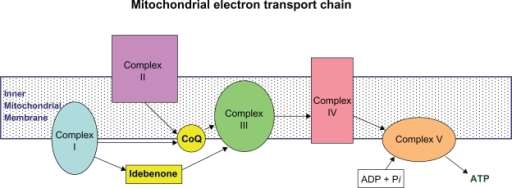
CoQ10 helps transport electrons along the Electron Transport Chain in the mitochrondria (found of every cell in our body) to make energy (ATP). Image source here.


Contrary to popular belief, a naturopathic doctor won't tell you to stop taking a medication if it is indicated; instead he or she will learn about your condition and your medication regime, and then may recommend particular foods to be eaten or supplements to be taken in order to restore the body of nutrients that may be loss due to the medication. 

I'll take this time to remind readers naturopathic doctors are not anti medical doctors! We believe in an integrated system in which both fields of medicine (allopathic and naturopathic) work together to treat the whole condition. For instance, medical doctors are very good at treating acute and emergent conditions (Strep throat, broken ankle, appendicitis, etc) while naturopathic doctors excel at treating chronic, lifelong conditions (chronic pain, diabetes, seasonal allergies, etc).

2013-04-01

Flavor Your Own Honey

Below is a picture of some honey infused with lemon! 

That's right: you can flavor your own honey. Simply take honey and place it in a clean jar that seals well. Add your "seasoning" of choice, let it sit for at least 24 hours, and then voila, flavored honey. Store honey in the fridge for two weeks. Give the honey a good stir before using. 

Flavoring Options: 

Lemon slices, orange slices, cinnamon sticks, lavender buds (edible), other edible flowers (chamomile), chai tea spices, herbs (rosemary, mint), etc. 

There are lemon wedges in this honey. Look closely!

Also on the topic of honey and doing it yourself, here is a picture of my homemade onion syrup. I had a sore throat a couple of weeks and this did the trick! Even though it is meant for coughs, it also works for sore throats. Surprisingly, it didn't taste very onion-y either. 

Mmm, honey onion syrup...

2013-03-04

...and we're back!

...back to school, that is. 

After 2+ weeks of reading week and midterms, today was the first day back to school. It was busy being back to the grind, but I missed the hustle of bustle of daily school (however, some aspects were extremely stressful, so I hated those parts of today... more on that in another post). Also, now that it is March, things are busy again so I can't guarantee daily posts. I'll pop in as much as I can, but if I don't post, it's because life and school are really hectic!
___________________________________ 

Check out this awesome Canadian health news! I've talked about dandelion root in the past as a good liver detoxifier and replacement for coffee, but who knew that it fights cancer? I'm actually having a cup of dandelion tea right now as I type! Here's my favorite brand, but you can also buy this one, or this one. Or, as explained in the news article, you can make your own by grinding dandelion roots!


Image taken from the Traditional Medicinals website. 

2013-02-19

The Naturopathic First Aid Kit/Pantry

I've been tallying up (in my head) all of the naturopathic medicines we keep naturally in our household. Products that you probably already have in your cupboard, but maybe didn't know that they could be used medicinally. While seeing a naturopathic doctor isn't cheap (unless you have private health insurance), a lot of the things that an ND will recommend are very inexpensive and are even free if you already keep a well-stocked pantry. It's what I love most about naturopathic medicine: finding natural ways to take care of ourselves. It reminds us that food (and other household goods) is medicine!

Below is my running list* of things that should be kept on hand as part of the Naturopathic First Aid Kit (also known as the Naturopathic Pantry). Most of these items are likely already kept in your the kitchen!

*This list a work in progress. I will continue to update this list as items come to mind. Feel free to add items to the comments of this post if you think of others.


Naturopathic First Aid Kit/Pantry

Coconut oil - great for skin as a moisturizer, use to make deodorant
Oats - for itchy skin add to baths, eat to relieve constipation, use in homemade face masks
Rice - use to make for congee (especially when experiencing gut troubles), part of the BRAT diet
Socks (thick, wool socks and a pair of thin, regular socks) - perform "wet socks" when getting sick
Ginger chews - for nausea, helps digestion after a big meal, carry on plane trips for motion sickness, warming after eating something cold/cooling. I like this brand.
Unsweetened cranberry juice - for urinary tract infections (UTIs)
Peppermint tea - to combat colds, helps digestion (don't forget to cover it)
Chamomile tea - to sooth tummy aches, helps babies teeth
Black tea - stops bleeding
Epsom salts - add to baths to relax muscles, great for injuries
Raw honey - dab onto acne (antimicrobial), make homemade cough syrup, mix with hot water and lemon when sick, soothes sore throats
Sea salt - gargle when sick, use as a natural exfoiliant when mixed with coconut oil (rub the mixture onto the body in the shower then wash off)
Apple sauce - part of the BRAT diet, replacement for eggs
Flax seeds - helps regulate hormones (part of the seed protocol too) good during PMS and menopause, replacement for eggs, 10 ways to eat more flax here.
Cayenne pepper - sprinkle on cold toes, a natural decongestant when eaten or inhaled
Olive oil - use to dilute essential oils, heart protective
Oranges/tangerines - dry the peels, then steep in tea to help digestion (dampness in TCM), eat when getting sick for the vitamin C and flavinoids
Onions - apply to ear during an ear ache, make homemade cough syrup, eat lots when sick in soups
Garlic - eat when sick in soups, lowers blood pressure, is anti-microbial
Lemon - in water it has many uses: acts as digestion stimulant, it helps the liver detox, flavors water, and drink hot when sick with honey
Kettle, bowl, and a towel - use for steam inhalation (place boiling water from the kettle into the bowl, place your face above the bowl, and wrap your head with the towel, trapping yourself into a little tent full of steam), add essential oils to this (~5-10 drops) if you have them

More: check out my post on culinary spices as medicine and one on herbal teas

2013-02-13

Good Massage Oils

Way back when, in my first year of naturopathic medical studies, I took a class called Massage. That's right: naturopathic doctors are trained in therapeutic massage. Now, we don't necessarily dabble in 60 minute, full body massages (we leave that to Registered Massage Therapists), but if I patient requests or is indicated for one (such as chronic full-body pain, lymphatic drainage issues, some forms of edema, etc), naturopathic doctors are able to provide the patient with a massage. When I took this class, one of the first things I was taught was what consitutes a good massage oil. I was naive, thinking that any form of oil would make a great massage oil, but I was wrong. Many oils that we use when cooking and those that we typically have in our homes are too greasy and not well absorbed by the skin to be used as massage oils. They also can stain clothes and clog pores. Instead, we should be using lighter, absorbable, and nourishing oils that are sold in health food stores or at massage supply stores. They are pricey, but a little goes a long way so one bottle should last a long, long time.

Some specialty oils that work well for massage:

Almond oil
Avocado oil
Jojoba oil
Castor oil
Oils you may have at home that actually works:

Grapeseed oil
Coconut oil

Oils that you likely have at home but should not be used for massage:

Olive oil
Canola oil
Sunflower oil

2013-02-11

Pineapple Stem to the Rescue!

Did you know that pineapple stems contain medicine? Bromelain is a naturally occurring chemical found in pineapple stems that is very healing and beneficial to the body.

However, you can't eat pineapple stems in order to reap its medicinal benefits. Unfortunately, bromelain is only able to be extracted in laboratories by supplement companies.

We naturopaths prescribe Bromelain to patients suffering from musculoskeletal injuries or complaints, like muscle pain, strains/sprains, and even arthritis, as Bromelain is anti-inflammatory. But when you take Bromelain  make sure to take it away from food to get its anti-inflammatory effects. However, if you do take it with food, it's safe. You'll just get Bromelain's digestive benefits and not its anti-inflammatory effects.

That's right: this supplement has two completely different effects in the body depending on whether it is consumed with food or not.  So, let's recap:


With food: digestive enzyme (helps to better digest food)

Without food: anti-inflammatory agent (helps treat muscle injuries/aches/pains)

2013-02-04

Tea Tricks


Tea: not just for drinking!

Three tea tricks:

1) Soothe a teething baby by dipping a wash/face cloth in cooled chamomile tea. Ring out, and let the baby suck on the cloth. Alternatively, dip in tea, ring out, place in freezer for a bit to chill, then give to baby. Chamomile is a very soothing herb. 

2) Got bleeding gums, bit your tongue, or suddenly lost a tooth? Stop oral bleeds by sucking on a black tea bag. The tannins in black tea are astringent and stop bleeding. 

3) Use green tea as a facial toner. Check out the recipe here! Green tea is also astringent, causes pores to close and the face to look more even toned.  

2013-01-29

10 Ways to Eat More Flax

A special post for anyone looking to add more ground flaxseed to their diet! Ground flax is an awesome source of phytoestrogens; molecules that help the body better regulate (and protect against the harmful effects of) their own hormones. Taking 2 tablespoons (~10 grams) of ground flax a day has been thought to help pre-menopausal women lessen their menopausal symptoms and to protect post-menopausal women from endogenous estrogens (meaning it may be protective against hormonal-induced cancers, such as breast and prostate cancer). Even if you aren't a woman, you can still benefit from eating flax on a regular basis due to its omega-3 fatty acid content (healthy fats), it's fiber (helps lower cholesterol), and it's protein (keeps you fuller for longer)! 


10 ways to get more flax in your diet:

1) Eat whole grain, seedy breads that contain flaxseeds. Like this one or this Canadian one.  
2) Eat Mary's Crackers (gluten-free crackers made mainly out of flax seeds. 
3) If you love chips (and must eat them no matter how bad they are for you :P), make your chips contain some flax, like these ones (can be purchased at bulk food stores):

http://www.allbulkfoods.com/images/catalog/544230.jpg
Source
4) Stir into yogurt.
5) Stir into oatmeal.
6) Add to smoothies. 
7) Sprinkle on plated pasta, chili, or soups. 
8) Eat a cereal containing flaxseed, like a hearty, seedy granola or this gluten-free cereal.
9) Add to homemade granola bars, muffins, or cookies like these delicious ones.  
10) Make bread out of flaxseeds, recipe here

2012-12-14

Brain Dump

Brain dump (noun): a blog post where all the things that have been lingering on the blogger's mind are dumped.

- Do you know what the number one industry in the world is? The pharmaceutical drug industry. And number two? The illegal drug industry. Why are we all hooked on drugs?!

- Remember my post on the book Your Brain on Nature? Well, here is an article written by the book's author. I really like the article's title: Two hours of pine forest and call me in the morning. Love it!

Source 

- I love, love, love all the brightly colored fashion hitting stores this season (see above). It's like a highlighter exploded all over the mall. I love super bright colors; they just radiate happiness!

- I'm over halfway done my final exams (5 out of 9 exams are done and done!). I celebrated by dining at Chipotle. Yum!

- This is a very creative recipe idea. No dairy, no soy, no junk... just plain old cashews, turned into cream cheese.

- Green tea is an anticancer agent because of its medicinal epigallocatechin gallate (EGCG) content. Naturopathic oncologists often prescribe concentrated EGCG to cancer patients due to its potent antioxidant effects. While the cancer dosage of EGCG is about 600 mg three times a day, you can easily get about 300 mg of EGCG in just one cup of green tea. Maybe this is why I drink green tea every morning: for its anticancer effects!

2012-12-13

Avena Aveeno

I start (almost) everyday with Avena sativum.

Well, Botanical Medicine is officially over, but sadly it didn't end on a happy note. The exam was rough and tough. Oh well, moving on to other modalities/subjects...

But let's be clear: just because my Botanical Medicine learning is over, it doesn't mean that you won't see any more blog posts dedicated to plants/herbs. I love them too much to ignore them for the remainder of my time at CCNM!

Today I'm going to talk about a plant that you probably already eat in the form of cookies, loafs, and morning porridge: let's talk about Avena sativa, or as it is more commonly known as, the oat! 

Avena has many medicinal properties. It can be used to combat depression, anxiety, stress, nervousness, and headaches induced to stress as it is a sedative and nervine tonic. Also, it helps both diarrhea and constipation (due to its soluble fiber content) and removes bad cholesterol (lowering blood lipid levels).

Topically, Avena is especially beneficial for itchy skin, such as eczema. Have you heard of oatmeal baths? They are a combination of two naturopathic modalities: hydrotherapy and botanical medicine! I've never tried one, but apparently you just add a half of a cup of oatmeal to a bath and hop-in whenever your skin is feeling particularly itchy. Be careful getting in/out of these baths, however; the oats' gooey fiber will make the water and bathtub feel extra slippery!

Did you know that the cosmetic company Aveeno is named after Avena the oat? The company is named after oats because they claim to put real oats in their products. However, I doubt that there are enough oats in these products to achieve a proper therapeutic dose...

2012-12-12

Spicy, but Safe

That pink thing is supposed to be a stomach, lol

Capsicum, aka cayenne pepper, a very spicy herb that I have talked about before on the blog, is quite the tricky little devil. You see, although this herb is spicy, it won't burn* the stomach or intestinal tract lining. Despite its so-spicy-it-burns nature, cayenne is actually protective to the stomach and digestive tract lining. It's spicy chemical constituents stimulate the stomach lining to make more mucus. The walls of the stomach are lined with cells that secrete a mucus to protect the stomach lining from the acidic stomach acid. Cayenne actually ramps up the mucus production, so that the stomach becomes more protected against not only cayenne, but other acids/spices/toxins that end up in the stomach. *However, those with stomach ulcers should avoid cayenne pepper because it will burn open wounds/exposed tissues.

...and with that, it is time to go write my last Botanical Medicine exam EVER! 

Happy 12/12/12!

2012-12-02

Orange Peel Tea

Image source here

According to TCM theories, orange peels can help with digestion when we've overeaten. Chen Pi (which is Chinese for Tangerine Peel) prevents stagnation, dries dampness, and descends stomach Qi; three actions that help moderate overeating.

Apparently the medicinal properties in the peel will help you feel less bloated, stuffed, and lethargic (you know, all those awesome feelings that come after eating a giant meal). Since oranges are in season in December, I am going to make this tea to have after my Xmas dinner meal. I'm excited to see if this orange peel theory has merit...

My Xmas dinner* recommendation: one mug of Orange Peel Tea
(*because everyone overeats at this meal)

Take tangerine or clementine peels, dry them out (let them sit in the sun, bake them, or let them dry out on the counter), then place them in boiling water, let steep for 15 minutes to make tea, then finally, drink this tea after a big meal! 

2012-11-16

Homemade Cough Syrup

I learned how to make homemade cough syrup in my Botanical Medicine class. 

What you'll need:
Raw honey
An onion
A wide jar

What to do:
Take a whole onion, peel of the outer skin. Slice the onion down the middle in even intervals, but don't let the onion completely "fall apart"; try to keep it all stacked together into its original round shape despite being sliced. Now, place the whole (but sliced) onion into a jar or round dish. Ideally one that is just big enough to hold the onion. Then, cover the entire honey with raw, unpasteurized honey. Separate the onion slices a bit, just enough so that honey can seep into the onion slices too.  I've tried to draw this out (see below). Seal the jar then leave it on the counter overnight (6-12 hours). In the morning, remove the onion pieces, leaving only the honey behind. This honey is now infused with the medicinal compounds from the onion! There you have it: homemade cough syrup. Take a teaspoon every hour or so (less for children) for coughs. This syrup will last for two full days. You can always make a mini version using a small onion if you don't want to waste honey for a milder cough and since the syrup only lasts two days. 

Why honey and onions?
These two foods both contain anti-microbial compounds, meaning that they fight bacteria and viruses. Honey is also very soothing.

The golden yellow color is supposed to be honey, the light brown round structure is the onion, and the black lines are where the knife would slice. See how the honey seeps into the onion? :P 

Note: this is not meant to be taken as medical advice. Talk to your healthcare provider about your own cough treatment. I'm only sharing this cough syrup recipe because it think it is so cool and demonstrates how food really can be medicine! 

2012-11-12

Unsweetened Cranberry Juice

One of the first interventions that can be taken against a urinary tract infection (UTI) is to consume large amounts of unsweetened cranberry juice. Yum for me (I like cranberry juice), but yuck for many :P

At the first onset of UTI symptoms (increased urination frequency and urgency, pain in the lower pelvic region, pain upon urination, etc), 500 mL of unsweetened cranberry juice can be drunk (in addition to lots of water and herbal teas). However, some people simply can't tolerate the bitterness of the unsweetened cranberry juice (sugar feeds bacteria, so unsweetened and natural cranberry juice is key to combat the infection). For these people cranberry capsules can be taken instead. The amount of the medicinal cranberry compound (a compound known as PAC) found in 500 mL of cranberry juice is 55 mg of PAC; therefore so long as enough cranberry capsules are taken to achieve this dosage per day, taking the caps should give the same effect as drinking the juice. Nonetheless, capsule takers must drink even more water because they are missing out on those beneficial 500 mL of fluid when they opt for capsules instead.

Note: Ocean Spray is not a good source of medicinal cranberry juice. Instead, two good versions of natural cranberry juice that can be purchased at major grocery chains or health food stores are shown above.

2012-11-09

Magic Mustard.

Did you know that the popular condiment mustard is actually an herbal formula? The mustard seed is beneficial health wise because it contains chemical compounds that warm the skin (by drawing blood to the area) and help expectorate (i.e. spit up or clear out) mucus from the respiratory system. Mustard can be used to treat chest complaints, such as congestion and coughs, and skin conditions, such as infections.

To get the healing benefits of mustard, you first have to create a mustard poultice:

You will need a piece of cotton, thick paper towel, or old piece of fabric. Mix about 1 teaspoon of   mustard powder with 1 tablespoon of flour, then add enough water to the mixture (just enough to make a paste out of the flour and mustard powder). Spread the paste on half of the cloth and fold the cloth over. Alternatively, spread good quality mustard onto the cloth.

For respiratory effects, place the mustard soaked cloth onto the chest (note: the mustard itself is never supposed to touch the skin; there needs to be a layer of cloth between mustard and the skin). Leave this pack on the skin for 15-30 minutes. Remove immediately if it starts to burn the skin (mustard can be spicy!). 

For skin effects, place the mustard soaked cloth onto the burn/cut/infected skin. Leave on the skin for 15-30 minutes. Remove immediately if the skin gets too red, sore, or feels like it is 'burning'.

2012-10-21

Supplementing, Part 2.

In Part 1 of my mini series on supplementing, I mostly talked about supplementing for optimal health. Our food isn't as good and our bodies don't digest/absorb as well; therefore we should supplement to make up for these deficits. That's all fine and dandy for healthy folks, but what about supplementing to combat illness? I'll tackle that topic today, in Part 2. 

When you are sick and are needing vitamin, mineral, or nutrient _____, unfortunately eating foods rich in this vitamin/mineral/ nutrient may not be enough to be therapeutic. According to my Clinical Nutrition professor, when you reach this point, the amount of vitamins/minerals/nutrients found in whole foods is (normally) not enough to correct a full-blown illness. I rant more about this here. :P

One example (and there are hundreds more) involves the treatment of iron-deficiency anemia.  If a patient's ferritin (aka iron) levels have dipped too low, the patient likely won't be able to bring their levels back up without the help of an iron supplement. Diet alone (likely) can't correct this deficiency. While the patient is encouraged to eat more iron-rich foods such as red meat, this dietary advice will be given in addition to a prescription for iron tablets.

Nevertheless, sometimes foods do contain enough vitamins/minerals/nutrients to be therapeutic. An example of this: consuming vitamin C during a cold. When you are sick, you could take vitamin C tablets, but eating lots of citrus, bell peppers, and broccoli, and drinking pure fruit juice will also work to keep vitamin C levels up. Another example of when whole foods work: eating soy for menopausal symptoms. You don't necessarily need to take soy isoflavones that are concentrated in tablet form to combat these symptoms; instead up your intake of tempeh, tofu, soy milk, miso, and edamame.

Eat up! These are all vitamin C rich foods.  Image source here

Wondering how to choose the best supplement? Stay tuned for Part 3 coming this week! 

2012-10-13

Prescription Sushi

Blob of wasabi, paired with pickled ginger: typical sushi adornments. Image source here

It is unfortunately cold, flu, and asthma season (...and still allergy season for some).  If you are finding yourself at all congested, you might want to get yourself some sushi!  Sushi for congestion? Yes! But not because of the rice, nori, or soy sauce, but because of the wasabi. Wasabi is that little green blob of goo that comes with sushi; it typically is nestled beside the pink pickled ginger. Wasabi is good to eat when sick because it is an excellent decongestant, meaning it helps open up nasal passages and decreases mucous production. Wasabi is a member of the cabbage family (Brassica). You may also know its spicy cousin, horseradish.

The wasabi root is often ground into a paste and it is this paste that is paired with sushi. However, the wasabi plant is actually hard to grow and very expensive, so most "wasabi paste" sold in grocery stores and served at sushi restaurants is actually horseradish root in disguise.  That's not OK for sushi connoisseurs who want the real stuff, but it is OK for those looking for some congestion relief because as I said above, horseradish and wasabi are cousins and have the same decongesting effects!

...and if sushi isn't your thing, then how about some beef with horseradish sauce instead? It has similar decongesting properties.

2012-10-12

Pumpkin for Prostrate

Green Gems 
Did you know that pumpkin seeds were particularly good for prostate health?  That's right: a handful of pumpkin seeds a day is especially good for overall prostate health, prostatitis (i.e. infection of the prostate gland), and BPH (benign prostate hypertropy, I very, very common condition in which the prostate enlarges and obstructs urine flow). 

It's not just male who benefit either, pumpkin seeds are phytoestrogenic, meaning they help regulate estrogen levels, increasing them or decreasing them depending on the female's individual hormonal needs.

Both males and females will benefit from the zinc content of pumpkin seeds too. Pumpkins seeds are very high in this mineral needed by the immune system.  

Three ways to eat pumpkin seeds: ground as butter (major grocery stores sell pumpkin seed butter), sprinkled on salads (they add nice crunch), or snacked upon (you can buy roasted and seasoned pumpkin seeds at grocery stores or bulk food stores, they are a better alternative to potato chips for those craving a salty treat). 

2012-09-30

Nutrition Doesn't Mean Diet.


What do you think of when you hear the word nutrition

You might think of a diet rich in nourishing foods. 
You might think of recipes and healthy cooking techniques. 
You might think of wholesome foods, like fruits and veggies, nuts and seeds, and hearty grains. 
You might think of fancy health foods, like hemp seeds, goji berries, and maca powder.

However, "nutrition" in the naturopathic world is very different from the scenarios pictured above. I've said many times on the blog that nutrition is my favorite modality, but unfortunately I don't feel like I've ever explained what exactly I mean by nutrition.

The naturopathic nutrition modality has almost nothing to do with diet. Whenever I explain what a naturopathic doctor does, and I mention that we treat using nutrition (one tool amongst our massive toolbox), people think "Oh, you just tell your patients to lay off the fries and eat more salad, gotcha".  While naturopathic doctors most definitely do do dietary counseling, that aspect of our job fits better in the "lifestyle counseling" modality.

When I say that NDs use nutrition, I want you know that this entails much, much more than simply telling patients to skip the fries...

Nutrition involves treating patients with high dose vitamins, minerals, macronutrients, and micronutrients, etc, to prevent, treat, or cure disease/illness. Nutrition is one the most allopathic (i.e. mainstream medicine) thing that naturopathic doctors use. It's actually quite pharmaceutical (e.g. take this vitamin B5 pill, three times a day, with meals). However, the content of these medicines/supplements are natural substances (non-synthetic), that naturally already exist in the body, and have very few (if any) side-effects.

My understanding of Nutrition depends a lot on my Biochemistry background (in fact, all CCNM students must take two courses in Biochemistry in order to complete the program; understand the biochemical pathways is necessary in order to understand how nutrients impact health. All nutrients (those found in foods and in supplements) are nothing more than a bunch of co-factors required by various enzymes in the body. And that is really all that health is too: a bunch of optimally operating biochemical pathways!

Whenever I say on the blog "We learned about an awesome way to treat chronic fatigue syndrome (CFS) in Nutrition class", I don't mean we learned that eating more kale, sweet potatoes, and egg yolks can cure chronic fatigue, but rather that supplementing high-dose vitamin B12, glutathione, n-acetyl cysteine, and alpha-lipoic acid can correct chronic fatigue syndrome.

It may seem allopathic to treat with such minute compounds, but as my Clinical Nutrition professor said in class [paraphrased], these specific treatments are required to correct complex illnesses.  Often when patients seek health care, their illness is grave enough that adding more kale simply won't due the trick.

Obviously a CFS patient wouldn't have to be on this supplement regime for life; he or she will likely have to follow the treatment plan for several months until improvement is seen. Only then, when the patient is back to a optimally-functioning level, can the patient use whole foods to maintain health.

What is often seen in the field of naturopathic medicine is that isolated, high-dose nutrients are needed to tackle serious health conditions. Diet and food alone don't always cut it!

2012-09-25

Cherry Coughs.

Image source here.
Roseascae is the rose family of plants. Within this family, is the genus PrunusPrunus is group of plants containing almonds and most stone fruits (cherries, peaches, apricots, nectarines, and plums).  Who knew that almonds were related to fruits? Maybe that's why cherry and almond pair so well together... they're cousins!

Among this group is Prunus virginiana, also known as choke cherry. Medicinally, choke cherry is used to treat coughs. In fact, choke cherry tree bark was used in original cough syrup formulas and gave them a cherry flavor; hence why today's commercial cough syrups are still often (artificially) flavored with cherry even though they no longer contain any natural choke cherry bark.