Showing posts with label Hydrotherapy. Show all posts

2013-06-11

Treatment Tuesday 3: Drink Up!

Want to know how much water you are drinking in a day?

Drink from a measuring cup!


At the restaurant  The Works, they serve their water in big measuring cups. Thanks to these cups, I now know that I drank a liter over the course of my dinner (2 of these cups = 1 L). 


If you struggle to consume 2 L of water a day (the recommended amount for healthy adults) maybe a measured drinking device would help you keep track of the water you are consuming. 

2013-05-25

Summary Saturday 1: Water Bottles

Today we're reviewing and chatting about water bottles.

Toronto's bed of water (pic taken from the Toronto Islands)

- Remember the BPA scare of 2007? Everyone ditched their plastic water bottles (remember good old Nalgene bottles? Boy were they popular, but since that scare I never see them anymore) in favor of stainless steel bottles or glass bottles. However, you can still buy plastic bottles today that claim to be BPA-free, which are good if you worry about glass breaking or the extra weight of these heavier materials. 

- As of late, I've been intrigued by the idea of water bottles that feature filters. You fill the water bottle with tap water, then as the water passes through the spout into your mouth, it passes through a filter that is supposed to remove chlorine, chloramine, and other particles that you don't want to be consuming. Here's one brand and here is another (the later is made of plastic, though is BPA-free plastic). I don't own a filtering water bottle, but I am considering purchasing one when it's time for a new bottle. 

- I'm also a fan of hot and cold water bottles. These bottles are insulated so that you can keep cold water in them or boiling hot water (for tea or coffee) without feeling the water's temperature on the surface of the bottle. Dual purpose! I like have this brand, but many of my classmates use this one. These bottles are perfect for those who like to drink both hot and cold liquids throughout the day (like me!).  

- Also, on the topic of water, check out this cool contraption that allows you to collect rain water into a bottle for drinking! It's a neat design, but I can't see how a regular kitchen funnel wouldn't do the same thing (for cheaper too).  

2013-03-13

Why Juice, Pop, Coffee, and Beer Don't Hydrate

When we are thirsty or dehydrated, it is tempting to reach for a refreshing glass of orange juice, soda pop, or a can of beer. However, these beverages do not help hydrate the body and can even increase thirst and decrease overall hydration.

When someone suffers from diarrhea, especially a small child, it can also be tempting to serve them a glass of juice to keep them hydrated. But the sugars in fruit juice (and in pop) have an osmotic effect, requiring water (H2O) for their utilization in the body. These sugars (carbohydrates) are not all absorbed (because juice contains sooo much sugar/carbs), thus the excess sugars/carbs enter the large intestine. Once in the large intestine, they are excreted through feces, but for every sugar molecule that needs to leave the body, so does a water molecule, which leads to diarrhea or excessively soft/watery stool. Read more about this phenomenon, and why recommending juice to kids can be troublesome, here.

As for beer (or any type of alcohol), it reduces the body's level of anti-diuretic hormone (ADH), i.e. the hormone that in normal quantities, prevents us from peeing too much. But since beer decreases this hormone, we have to pee more than usual, resulting in more fluid loss and thus decreasing hydration.

I promise this beer was preceded and proceeded by glasses of water!

As for for coffee, it is a diuretic, meaning it increases your urination. But when you pee more, you become more dehydrated! So coffee is also a no-go when it comes to increasing hydration.

So, when you are thirsty and dehydrated, drink a glass of plain old water. If you still want some juice, pop, or alcohol, then at least make it a one-for-one deal (one glass of water for everyone one of these beverages).

2013-03-07

Salty Suds

Epsom salts (which aren't actually salt but minerals, specifically magnesium sulfate) are salts that when added to bath water. They help relax, physically and mentally, by relaxing both the mind and muscles (see below for a more thorough explanation). The use of Epsom salts originated from observing the use natural mineral baths or soaking in hot springs to treat conditions in Europe.

Directions: Simply add a 1 cup (or 2) of the salts to a warm bath. Those with high blood pressure or those taking blood thinning medications should talk to their doctor before initiating this treatment.

Mental Effects: The body's magnesium levels get depleted during stress, causing fatigue both mentally and physically. When the salts are dissolved in the bath water, they are absorbed through the skin. When absorbed, they increased the level of magnesium in the body. Magnesium is a cofactor in the enzymatic reaction that produces serotonin. Serotonin is a bodily chemical that helps regulate our mood and improves overall energy.

Physical Effects: Magnesium is a known muscle relaxant. When absorbed into the skin from the bath water, the magnesium relaxes the muscles, making Epsom salt baths great for menstrual cramps, sports injuries, body pain, upper body muscle tension, and even constipation (especially if the constipation is linked to stress and an inability to "let go").

I was at Dollarama last month and saw them on the shelf for $1! So they are an extremely cheap treatment option. The one at Dollarama something looked like this:

Source here


Around the time that I saw these cheap (and effective!) salts at the dollar-store, was also when I had a disagreement with a teaching assistant (TA) over the cost effectiveness of naturopathic medicine.

I had said "Naturopathic Medicine is very cost effective" and the TA thought this was false. I still disagree. While some naturopathic treatments can yes be very costly and while seeing an ND ($100-150 for the initial visit, $80-100 for follow-up visits) is pricey, a good ND should be following the doctor as teacher principle: teaching the patient ways to take care of their health without relying in their ND for every ache and pain for the rest of their life. There are many, many frugal and sustainable health tips that a doctor can teach a patient during the first few visits that the patient can use throughout the rest of their life. Take my Naturopathic Pantry post for instance. Once a patient has been educated and guided by their doctor about simple and cheap home remedies, and aside from follow-up appointments with the ND, naturopathic medicine should be very cost effective as it relies heavily on lifestyle changes, and using items straight from nature to heal.

Next year, students will complete rotations in clinics that serve low-income and even homeless individuals. If we are able to help these patients, then cost-effective treatment strategies must exist!

Anywho, just my thoughts now. I'm curious to see how my outlook on the cost-effectiveness of my profession may change as I enter clinic starting in May!

2012-12-13

Avena Aveeno

I start (almost) everyday with Avena sativum.

Well, Botanical Medicine is officially over, but sadly it didn't end on a happy note. The exam was rough and tough. Oh well, moving on to other modalities/subjects...

But let's be clear: just because my Botanical Medicine learning is over, it doesn't mean that you won't see any more blog posts dedicated to plants/herbs. I love them too much to ignore them for the remainder of my time at CCNM!

Today I'm going to talk about a plant that you probably already eat in the form of cookies, loafs, and morning porridge: let's talk about Avena sativa, or as it is more commonly known as, the oat! 

Avena has many medicinal properties. It can be used to combat depression, anxiety, stress, nervousness, and headaches induced to stress as it is a sedative and nervine tonic. Also, it helps both diarrhea and constipation (due to its soluble fiber content) and removes bad cholesterol (lowering blood lipid levels).

Topically, Avena is especially beneficial for itchy skin, such as eczema. Have you heard of oatmeal baths? They are a combination of two naturopathic modalities: hydrotherapy and botanical medicine! I've never tried one, but apparently you just add a half of a cup of oatmeal to a bath and hop-in whenever your skin is feeling particularly itchy. Be careful getting in/out of these baths, however; the oats' gooey fiber will make the water and bathtub feel extra slippery!

Did you know that the cosmetic company Aveeno is named after Avena the oat? The company is named after oats because they claim to put real oats in their products. However, I doubt that there are enough oats in these products to achieve a proper therapeutic dose...

2012-10-25

Carpal Tunnel Syndrome 101

Carpal Tunnel Syndrome is one of the most frequently self-diagnosed syndromes (thanks to Doctor Google :P). As my prof described yesterday, it seems as if anytime people experience a problem in their hand or wrist, they are having a 'carpal tunnel syndrome' flare-up.  However, yesterday, in my Physical Medicine class, we talked all about this syndrome and what is specifically is required in order for a patient to truly be diagnosed with this condition.

The white horizontal band is the ligament causing carpal tunnel syndrome. Image from Wikipedia; originally from Netter. 

Definition: carpal tunnel syndrome is a compressive neuropathy (meaning a compressed nerve), in which the median nerve is squished by a ligament in the wrist (specifically by the transverse carpal ligament, aka the flexor retinanculum, shown above). Nine tendons and one nerve (the median) pass through this ligament. It often occurs during repetitive gripping, like in those who garden extensively, operate hand tools, knit or sew for a living, hairdressers, and computer users (aka everyone)... to name a few examples only.

Symptoms: When the median nerve is squished, the palm of the hand, the fingernails, the thumb, and index, middle, and half of the ring fingers, will feel numb, weak, tingly, and possibly pain. Only these regions of the hand will be affected as these are the areas innervated by the median nerve (see the image below, they are highlighted in red).

Median nerve innervation in the hand. Image source here.

Treatment: Naturopathically, we would prescribe lots of rest (less texting!), wrist supports, hand massages, hydrotherapy (ice during an acute attack, heat other times, or whatever feels best to the individual patient), and anti-inflammatory herbs. People with chronic carpal tunnel surgery may opt for surgery; however sometimes the surgery doesn't help and some people get better without any surgery at all. The surgery involves cutting the transverse carpal ligament to allow it to expand, reducing the compression/squishing of the median nerve.

Note: please seek out professional and individual health care advice. This blog post is not meant to diagnose or treat.

2012-09-01

Cholera Outbreak.

Image source here.
In the news lately, there have been reports of a cholera outbreak occurring in Sierra Leonean. Sadly, this recent outbreak has cause over 300 deaths! It is the same disease that affected parts of Haiti (source).

What is cholera? Cholera is a disease caused by Vibrio cholerae, a microorganism that when ingested wrecks havoc in the small intestine, causing lots and lots of watery diarrhea (and vomiting). Cholera is spread by drinking water that has been contaminated by feces (in the case of Sierra Leonean and Haiti, this was likely due to mass flooding, mixing clean water with dirty, fecal matter-contaminated water). 

The most unfortunate part, is that even though hundreds of people are dying, the treatment to this disease is quite simple. The vomiting and diarrhea can lead to dehydration (loss of water).  Dehydration, when not treated, can cause death due to electrolytes being imbalanced (sodium, potassium, etc).  It is this dehydration/electrolyte imbalance that is killing people, not the Vibrio cholerae itself. The treatment for cholera is simply to correct the dehydration/electrolyte imbalance with sports drinks (like Gatorade), water mixed with honey, sea salt, and lemon, or the fancy oral rehydration solution. 

2012-08-28

RICE.

Today I'm talking about rice, but not the food kind, rather the treatment kind. 
When you sprain*, strain**, pull, or bruise part of your body, the first line of treatment should include RICE. 

R - rest
I - ice
C - compress
E - elevate

Rest to allow healing and to prevent further ailment. Ice to prevent swelling by directing blood away from the injury (though long-term ice treatment draws blood to the area, bringing immune cells, cytokines, and clotting factors to the area to encourage healing... hydrotherapy can be confusing because it always works both ways :P). Compress the injury---using a sports wrap, bandage, or towel--- to prevent pooling of lymphatics. But if the injury starts to throb you may have wrapped it too tight! Elevate, to the level of your heart, also prevent pooling of lymphatics, preventing swelling, and to remove wastes from the injury. If the swelling does not go down with RICE or if the injury does not improve with this treatment, consult your doctor

* Sprain means an injury to a ligaments (the tissue that attaches muscles or tendons to bone)
** Strain means an injury to a muscle or tendon.

2012-06-07

Nosebleeds, the Naturopathic Way.

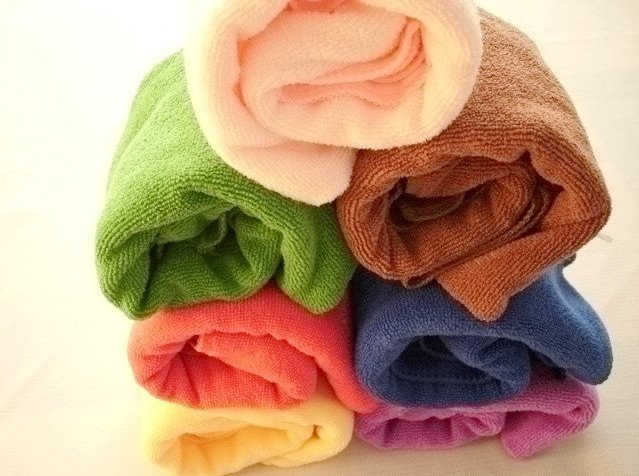
Pretty facecloths great for compressing. Image source here.

There is a common Hydrotherapy technique that can be used when managing nosebleeds. Cold compresses!  If you get a nosebleed, you can apply a cold/wet facecloth (aka a cold compress) to the back of your neck.  Simply run a facecloth under cold water, wring out extremely well, fold into a band of cloth, then place this band across the back of the neck.  Repeat the process when the cloth is no longer cold.

Why the back of the neck? Coldness felt in this region draws blood to the area (in order to heat it; warm blood fights the coldness of the cloth), thus drawing blood away from the face/nose and down towards the neck.  Coldness in the neck also decreases the overall blood flow towards the head, meaning less blood that has a chance of escaping through the nose.

2012-03-12

The Naked, Guinea Pig, Pin Cushion.


Dear future students,

When you start at CCNM, be prepared to be challenged mentally, emotionally, and physically. Not just in the tired-and-achy-back-sense from being hunched over notes everyday, but because of all of the poking, prodding, palpating, rubbing, adjusting, and freezing!

Be prepared to become a test subject. Your body will be used as a learning tool during your Manipulation, Massage, Hydrotherapy, Practical & Clinical Diagnosis, and (practical) Anatomy classes. Rather than hiring models, you will learn off your classmates' bodies. And it forth-year, you'll be stuck with intravenous needles and will have other laboratory tests preformed on your body.

Thanks to all of the Acupuncture featured in the curriculum (almost four full years of needles!), you will be poked extensively. Your body will certainly feel like it is a pin cushion.

Leave your shyness behind too, because you will be exposed (being up to 90% naked) on many occasions. You will become very comfortable with your body, especially when almost every square inch of it will be touched and examined by your classmates.

Be prepared because this is no joke: during your four years at CCNM, you essentially will be a naked, guinea pig, pin cushion. You've be warned.

Image source here and here.

2012-03-08

Women's Week.

This week has been all about women.

On Monday, we learned how to preform breast exams. In CCNM's teaching clinic, in groups of 3 or 4 students, under the supervision of a Naturopathic Doctor, we were able to practice performing the exam on real patients. I must say is that the "Naturopathic" breast exam is much more in depth than an Allopathic breast exam. The exam should take 2-3 minutes per breast and it covers not just the breast tissue, but the entire rectangle of skin between the clavicle, sternum, 5th rib, and the midaxillary line (aka the imaginary line that runs through the center of the armpit downwards). Breast cancer can metastasize anywhere within this rectangle area, so Naturopathic Doctors are thorough with their technique to detect any abnormalities that may be present.

On Tuesday, I had the wonderful opportunity to attend a women's only hydrotherapy spa. I've been wanting to attend this venue since I took my Hydrotherapy class last year. Clothing at this spa is optional, but I wore a bathing suit :P I alternated between warm, very hot, and freezing cold temperatured pools, saunas, and steam rooms. This alternating hot and cold circuit allows the body to be 'treated' by the waters. I loved the experience, even though some of the circuit steps were far from relaxing; stimulating may be a better description. My skin felt incredible and I slept like a baby once I got home that night: it just goes to show how therapeutic water can be!

On Wednesday, we learned all about the female genital organs (vagina, uterus, ovaries, etc), including relevant pathologies. We were also (briefly) taught how to preform the female pelvic exam. Next week we'll be able to practice using plastic simulators. We won't be able to preform a true pelvic exam (on a real patient) until third-year.

Lastly, Thursday (today) is International Women's Day (if you want to learn more, check out Google's front page). I recognize the importance in celebrating the progress that has been made in bringing men and women to the same level; however I consider myself more of an equalist. I want to see men and women treated equally, meaning that for every Women's Day, shouldn't there be a Men's Day too? Nevertheless, today's holiday is a nice way to end my women's health-themed week.

Image source here.

2012-01-31

Blood and Bacteria.

Blood Testing for the Win

Today, in the Toronto newspaper The Star, was an article highlighting a naturopathic doctor and her work in diagnosing food intolerances with blood work. Not only is she an ND practicing in Ontario, but she also was my teaching assistant last year during my Hydrotherapy class!

I talked last Spring about my success with identifying food intolerances with blood work. Tony also had huge success with the protocol. It is pricey ($250), but produces amazing and super interesting results.
_________________________________

Bacterial Overlap

When I started studying naturopathic medicine, I had no idea that all of my Microbiology classes from undergrad would come back to haunt me. Seriously, we learn SO MUCH about microbes it is scary. Now why I am learning so much about bacteria, viruses, parasites, etc.? Because unfortunately these critters wreck a lot of havoc on our poor bodies. A disturbing number of diseases and health concerns are due to microbe infections. The material between my Microbiology class, Pharmacology class, and in my Clinical Medicine (aka Pathology class) are constantly overlapping. For instance, today was the third time we learned about Lyme Disease (caused by Borrelia bac).
_________________________________

In closing, without even recognizing it, this post has touched on (probably) two of the most common causes of disease and illness: FOOD ALLERGIES/INTOLERANCES and MICROBES. Funny that!

2011-07-03

Who is Contrasting?

I was at a computer yesterday that wouldn't let me upload this post. Sorry it is a day late.

Now that it is Summer and quite warm out, I thought I would bring up the topic of contrast showering again. Has anyone tried it? I know a couple of people have (bravo!). It is MUCH easier to start this healthy habit when it is warmer out than in the dead of Winter. Even if the cycle of contrasting showers doesn't sound appealing, just ending a shower with 30 seconds of cold can be hugely beneficial to the body.

If you think about it, after leaving the hot water of the shower, the body can only get colder, and when leaving the frigid water of a contrast shower, the body can only get warmer! Whenever I end my shower (in cold water), I instantly feel warm as my body was suddenly switched into heat-me-up-because-the-water-is-cold mode.

Learn about this Hydrotherapy technique here.

2011-06-06

Dew Walking.

If you still feel sleepy in the morning, rather than jumping for the coffee, try using hydrotherapy to help wake yourself up. Examples include contrast showers and now dew walking.

Dew walking involves walking outside, in the morning, on the grass, barefoot. In the morning, the grass will be cool and wet from the dew that has settled. Walk around on the wet grass for 2-5 minutes maximum in order to receive the hydrotherapy (or rather, thermotherapy) benefit. The mechanism of action is similar to wet socks and contrast showers, such that the burst of cold to an extremity, such as the feet, causes a systemic re-rooting of the circulatory system, which helps to overall wake the body up. Dew walking is helpful in increasing overall circulation too.

Reconnecting with nature in small ways such as walking on the grass can help the body to relax. Consider the 2-5 minutes of dew walking as a time to reflect or meditate; a time for yourself and a time to be peaceful.

2011-04-15

First-year Classes = DONE (...and a bit about Fevers).

That's it. No more first-year classes for me! I am 90% done my first-year studies at CCNM (all that remains is two-weeks of final exams). Phew, that was fast. Just this week I walked past the Convocation Hall on the University of Toronto campus (CCNM rents out this building for their convocations) and I thought to myself "only 3 more years"!

Now, I just need to get myself through yet another round of exams. It shouldn't be too bad this time 'round as they are pretty spread out (unlike in December when I wrote multiple exams a day). I start writing on Monday and they wrap-up on the 29th. When exams are done, I'll write a review of the semester, but for now, let's talk about FEVERS:

- Fevers are actually really cool and not something to frown too much upon. A fever is basically the body treating itself with thermotherapy (i.e. using temperature to heal). When the temperature is increased, it is for a reason: the hot temperature kills-off any bacteria and viruses that are infecting the body.

- It is important to not inhibit a fever (unless it reaches a dangerous level which is rare) as it is the body's way of taking care of itself. A temperature between 102-103F is the optimal to fight infection.

- The expression Starve a fever, feed a cold. is quite valid. When the body heats up to a certain temperature, the digestive system shuts down. Therefore, if you try to eat with a fever, the body will likely suffer more as it is full of food and can't do anything with it. Furthermore, during a fever, signals (interleukins) are also released that decrease your appetite, making you not even want any food.

- More signals (interleukins) are released that cause muscle breakdown, which is why muscles ache and feel sore during a fever. When muscles also get broken down, the amino acids that make up proteins that are now floating around the body also contributes to anti-hunger mentioned above.

- When the body changes its internal temperature to a higher value, the body now thinks the external environment is waaayyy to cold and hence the shivers and cold-feeling associated with a fever.

- When the fever finally breaks, the body will start sweating profusely as it tries to cool itself. No longer does it need to maintain this high temperature and thus it uses sweating as a mechanism to reduce its temperature.

2011-04-10

An Onion for an Ear Ache?

"Tony" Sr. and entire family-in-law... you are in my thoughts. Hugs for all.

Well if you thought my program was hokey-pokey before, this post is totally going to support your theory ...kidding ;). In all honesty, this home-remedy sounds interesting, but also a bit weird. I haven't tested it out myself so I can't confirm that it works. However, the naturopathic doctor who taught me about this treatment said she has recommended it to patients with small children (who often have ear aches) and it has worked wonders for them. This treatment emphasizes a point made by a guest lecturer in my Philosophy class a couple of weeks ago: she remarked how many people are "scared" or uneasy regarding alternative medicine therapies even though they rely so heavily on natural, has-been-around-for-hundreds-of-years, everyday products; yet these people find comfort in being treated with synthetic, chemical-laden, brand-spanking-new drugs. How ever did our ancestors survive without drugs when all they had was food, herbs, and clean water to act as their medicines?! :P

How to treat an ear ache with an onion:


Peel an onion. Slice it in half. Boil half of the onion until it becomes slightly soft and translucent (around 5 minutes). Using tongs, place the boiled onion into a tea towel or facecloth; twist the remaining towel/cloth so that the onion is sealed and heat can't escape. Place the wrapped onion half up to the ear. Hold to the ear until the onion is no longer warm or until the ear ache is done. Later, if the ear ache is still bothersome, re-heat the boiled onion or boil the other half of the raw onion. Repeat the onion-to-ear compression.

This onion treatment can be preformed twice a day. The theory behind this home remedy is that the heat of the onion, along with the phenolic compounds released from the onion, help break-up any blockages in the Eustachian tube (i.e. ear canal) that may be causing the ache. Note: if the ear ache persists, please consult your health care provider.

2011-04-09

Healthy Food is Real Food (...and Self-Love).

When will healthy food become real food?

I read some reviews of a healthy cookbook recently and one of the reviewers commented that he or she was disappointed that many of the recipes in the book called for "weird ingredients". I found this comment very interesting. Apparently we live a world in which "healthy food" is "weird food". I find it a bit amusing how brown rice flour and apple cider vinegar are freaky while hot dogs and candy sprinkles are totally normal. Why is it that everybody and their dogs know about Heinz ketchup and Kraft dinner, but so few know about kale or quinoa? Why isn't being healthy the norm and why are the healthy ones still the weird ones in a crowd? It boggles my mind when I think of society as a whole and its approach to health. Yet, I whole heatedly believe that a change is going to come. There will come a day when the wholesome cookbook will have recipes that call for ingredients that the majority of people not only use on a regular basis, but know why these ingredients are good for them. You may call me crazy for believing in this, but hey: a girl can dream, right?
_________________

PJ and M's Momma recently told me that she spent a whole day doing nothing. I told her this was extremely healthy as this was what her body was craving. Now, we can't always do exactly what our body wants to do, but as much as we (responsibly) can, it is important to honor thy self. After receiving an intense Hydrotherapy treatment a couple of weeks back, the naturopathic doctor coordinating the treatment told my class to listen to our bodies after the treatment and to honor how we felt. Whether we felt energetic or fatigued, she emphasized that it is an exercise in good health to listen to our bodies. We live in a very fast-paced world, one that doesn't allow for us to slow-down and check-in with ourselves very often. But, if only for one moment a day, we listen to how we are feeling and honor the current emotion or physical state, I bet we'd all be a bit healthier. Self-love is really the definition of health, as when we take good care of ourselves, we become healthier.

While most of my Saturday was spent self-hating behind a stack of Anatomy notes, I was able to take a walk in Toronto's High Park with a friend. It was a gorgeous day and it was exactly what my body was craving. I encourage my readers to practice a little self-listening and self-love this upcoming week. And even if there is only enough time to check-in and recognize the state of the body (without actually doing anything), this exercise alone can be helpful.

2011-04-07

Hydrotherapy = DONE.

Finished another course today. My Hydrotherapy class finished on a fabulous note: I had hour-long wet-sheet pack treatment, learned about mustard poultices, vegetable poultices, salt scrubs, neti pots, Castor oil, and paraffin wax treatments. Such a variety of easy-to-preform, cheap, unique, healing treatments were presented in class. I loved learning about them all and I hope to try them out in the near future. Here is a brief explanation of some of the treatments (and they are brief because they are only based on what I remember from today's short presentations):

Wet-sheet pack: In my bathing suit, I was wrapped in a freezing cold wet sheet, wrapped in two really thick blankets, and then left in this compress for an hour. Sounds ridiculous and super uncomfortable, right? Well it felt great (and this is coming from someone who hates the cold!). The theory behind this treatment: the cold sheet (that is up against the skin) forces the body to distribute more heat to the skin in order to heat up the cold sheet. It causes vasodilation and increased metabolism. Eventually the body distributes enough heat the body surface that the wet sheet heats up! I found the treatment to be quite enjoyable. I'm not a napper, but the treatment was so soothing that I dozed off, in the middle of the classroom, surrounded by lots of people, and a bunch of commotion... talk about a therapeutic treatment.

Mustard poultices: Applying a paste of mustard, warm water, and flour to a piece of paper towel makes for an anti-inflammatory and anti-microbial compress. Apply the mustard compress to a bruise, or welt, or inflamed muscle for some relief.

Vegetable poultices: Grate carrots or raw white potatoes until "juicy". Place the juicy shreds in some cheese cloth or thin tea towel and use as a compress for sore muscles or joints.

Salt scrubs: Place a teaspoon of salt (espsom, sea, or fine salt) in a teaspoon or so of water. Mush the two together to make a paste. Rub the paste on wet skin until the skin turns slightly red. This treatment is used to exfoliate the skin.

2011-04-04

Flavoured Water and the Skull.

Last week I talked about drinking water. Well, I have another tip to help you increase your intake of water: flavor your water with vegetables or fruit.

The standard addition to water is lemon slices, but have you tried sliced cucumber or oranges? What about mint leaves? During my undergraduate degree I had melon water in a ridiculously fancy restaurant; it was out-of-this-world. It's incredible how a simple wedge of honeydew melon can transform regular water into a delicious and memorable treat.
_____________________

- Our skull is actually made of twenty-two different bones! As we age, different bones finally fuse together, with the first fusions occurring after birth and the last occurring during our fifties.

- Although many people call describe it as our "jaw bone" it should really be "jaw bones" as two bones form the jam and they fuse in the middle of our chin.

- We have a bone in our skull called the lacrimal bone. It is beside the nasal (nose) bones and contains the nasolacrimal duct. This duct drains tears into our nasal cavity; however if we cry too much and the duct can't keep-up and drain all of other tears; this is when we start seeing tears running down our cheeks.

- Somewhat on the topic of the skull (well, not really but I'll include it anyway)... we are able to coordinate the movement of our eyes so well because the six muscles that move the eye are innervated by three nerves. A 2:1 ratio is really, really good in the world of muscles and nerves (for example, all of the muscles in the forearm and hand (and there are many) are innervated by only three nerves).

2011-03-31

Wet Socks.

As promised, here is an explanation of the bizarre but super effective treatment called Wet Socks. I've tried this treatment several times when I wasn't feeling my best; it is amazing how the socks are dry in the morning! Tony tried it too when he was last sick.

What: The application of wet socks to the feet right before bed, followed by a thicker pair of socks.

Materials: Cold water, thick socks (wool is best), and thin socks (cotton is best).

Method: Before bed, wet the thin socks in very cold water. Wring them out very well. Get into bed, put the wet socks on, then the thick socks. Don't walk with either of the socks on! It is important that the thick socks stay dry other than the little bit wet they get when you put them on top of the wet thin socks.

Why: Wet Socks treatment is good for immunity; it works to boost or jump-start the immune system. It is a great treatment if you are starting to feel run-down or a cold coming-on. It is also a good treatment for tired feet, head congestion, or insomnia (the treatment will help put you to sleep).

How: As the night goes on, the body will direct its blood and subsequently its heat to the "cold" or wet feet. Overtime, enough heat will be diverted to the feet to heat-up/dry the cold/wet socks. This heat/blood diversion is extremely helpful when patients are suffering from congestion in the head as blood flow downward will drain congestion from the upper body.