2013-04-18
Where's the Money?
2012-12-14
Brain Dump
- Do you know what the number one industry in the world is? The pharmaceutical drug industry. And number two? The illegal drug industry. Why are we all hooked on drugs?!
- Remember my post on the book Your Brain on Nature? Well, here is an article written by the book's author. I really like the article's title: Two hours of pine forest and call me in the morning. Love it!
![]() |
| Source |
- I love, love, love all the brightly colored fashion hitting stores this season (see above). It's like a highlighter exploded all over the mall. I love super bright colors; they just radiate happiness!
- I'm over halfway done my final exams (5 out of 9 exams are done and done!). I celebrated by dining at Chipotle. Yum!
- This is a very creative recipe idea. No dairy, no soy, no junk... just plain old cashews, turned into cream cheese.
- Green tea is an anticancer agent because of its medicinal epigallocatechin gallate (EGCG) content. Naturopathic oncologists often prescribe concentrated EGCG to cancer patients due to its potent antioxidant effects. While the cancer dosage of EGCG is about 600 mg three times a day, you can easily get about 300 mg of EGCG in just one cup of green tea. Maybe this is why I drink green tea every morning: for its anticancer effects!
2012-12-01
Beyond Botanicals
Anywho, I mention this smart professor because his Bot Med lectures are usually filled with so much interesting material; cool stuff that goes above and beyond the course curriculum. Here are five neat things (not necessarily related to botanicals) that we discussed in his classes over the last couple of weeks:
1) Top three causes of infantile colic in breastfeeding moms: coffee, garlic, or onions in the mom's diet.
2) Long term consequence of Epilepsy medications: osteoporosis.
3) 90% of our melatonin receptors are in our gut. Therefore supplemental melatonin (which people normally take to help them sleep better) maybe be beneficial for those suffering from gut issues (such as irritable bowel syndrome (IBS)).
4) Beer has estrogenic effects, so perhaps it is not the best beverage for men...
5) Three side effects of potassium depletion: Alzheimer's disease, leg cramps, and heart arrhythmias.
2012-11-18
How to Deliver Medicine to Children.
A compounding pharmacy present at the conference's trade-show featured a whole display case full of various administration forms in which doctors can order supplements. I doubt I am being clear, so here is an example: say a naturopathic doctor wants a baby to have a vitamin B12 supplement. The doctor can then call up this pharmacy and have them add vitamin B12 to a pacifer tip. This way whenever the baby uses the pacifier, he or she gets his or her daily dose of vitamin B12.
![]() |
| Vitamin Gummies! |
![]() |
| Lolly pops and a pacifier to the right. |
Other administration methods in which NDs can order supplements: in lolly pops and as gummy bears! Very cool! Increase patient compliance by easing supplement administration... makes sense to me. My only worry is that the gummies and lollies seem to be colored and food dye is a huge concern in childhood behavioural issues today. Also, do these supplements encourage the eating of candy? Because we NDs wouldn't want to promote that ;)
2012-09-25
Cherry Coughs.
![]() |
| Image source here. |
Among this group is Prunus virginiana, also known as choke cherry. Medicinally, choke cherry is used to treat coughs. In fact, choke cherry tree bark was used in original cough syrup formulas and gave them a cherry flavor; hence why today's commercial cough syrups are still often (artificially) flavored with cherry even though they no longer contain any natural choke cherry bark.
2012-07-07
Saturday Morning Reading & Eating.
Basic Buckwheat Bake
Inspired by the Edible Perspective. My recipe makes just a plain bake, perfect for toppings. Tastes sort of like a giant muffin. Find what-seems-like millions of other mouth-watering buckwheat bake recipes on the EP blog. The following recipe is gluten-free and makes enough for ONE bake.
1/4 cup buckwheat flour (or flour of choice)
1 tbsp whole buckwheat groats (or chopped nuts)
1 tbsp ground flax or chia seeds (completely optional)
Pinch of salt, cinnamon, and baking powder
1/4 cup milk (or water)
1/4 cup apple sauce (or half a mashed banana)
1 egg, whisked/beat
Mix dry. Mix wet (including the egg). Pour wet into dry. Grease or line an oven-safe dish (like a ramekin or onion-soup bowl), or pour the batter into muffin tins (this will likely fill three muffin tin-spots). Place dish(es) onto a baking sheet. Bake for 30 minutes at 350F. Leave the bake in the bowl or plop onto a plate. Top with toppings and eat with a spoon!
Left picture: warm bakes, fresh out of the oven. Right picture: topped with pumpkin seed butter and rhubarb jam.
2012-04-20
Herb-Supplement Experts.
Medical doctors are extensively trained in pharmaceuticals and their potential interactions and side effects; however according to my prof, only naturopathic doctors have the training regarding the food, supplement, and herb relationships to these drugs.
...on another note, this is my last weekend of studying for year two! Half way done the program. Exciting times! Speaking of Summer, though the relaxed times are fast approaching coming, the blog isn't going anywhere. I have decided to continue to blog all Summer long (minus a week or two off for vacation). Lots of cool posts on the horizon. Stay tuned!
2012-04-06
Fermented Foods.
SSRIs (selective serotonin re-uptake inhibitors) are drugs used to treat depression. Fermented foods must be avoided if taking SSRIs as they interact with the drug. Image source here. Can you name some fermented foods?
I can. How about: wine, beer, chocolate, cheese, whiskey, vodka, sake, yogurt, buttermilk, pickles, pickled beets, hot sauce, vanilla sauerkraut, kimchi, tea, sourdough bread, soy sauce, miso, tempeh, tofu...
That's a lot of foods that have to be avoided! Hmm, do you think that having to avoid delicious and popular foods like wine, beer, chocolate, and cheese, might contribute to the depression the drug is supposed to be combating?
2012-04-04
The Coagulation Cascade.
In Von Willebran's Disease, a disease in which blood doesn't clot very well, the von Willebran factor (a protein) is either decreased (quantity) or is altered (quality). This factor is important because it carries factor VIII (#8, circled above!) in the cascade featured above. A decrease in factor 8 prevents blood from clotting efficiently. People with this disease need immediate medical attention when they experience cuts because they will bleed for much longer (and thus losing blood) than people with intact coagulation cascades.
In Hemophilia, another blood clotting disease, any one of the factors could be missing. Hemophilia A (most common) is also missing factor 8, hemophilia B is missing factor 9, while hemophilia C is missing factor 11.
Image source: my Pharmacology lecture notes.
2012-04-03
The Science Behind the Art?
______________________________________________________________________
2012-03-24
Nutritional Prescriptions.

Last week I commented that I've been learning "life changing stuff" in my Clinical Nutrition class. I really have. I feel that this class (out of all my second year classes) has best equipped me with tools needed to treat real patients with real conditions. This class is also the most motivating in the sense that I end each class very empowered, proud to be studying naturopathic medicine, and more confident that I'll be able to (one day) change patients' lives.
Even though I am so excited about this course material, I oddly enough feel like I can't share what I am learning on my blog. We've learned a lot of treatment protocols and nutritional prescriptions that I don't feel comfortable highlighting on the blog for fear that someone might apply the material to themselves without the guidance of a health professional. Supplements (and even some foods) are powerful tools to be used to achieve wellness, but when used the wrong way or without support, they can also be very harmful. So sorry to leave you hanging, dear readers, but you'll have to wait until I am in practice to learn the amazingness of nutritional supplements and prescription foods.
Isn't it crazy that you can buy iron tablets and vitamin A drops at any old drug store or grocery store. These are not benign candy but are health-altering (for better or for worse) substances! After what I've been learning in my Nutrition, Botanical Medicine, Pharmacology, and Physiology classes, I'm surprised that some foods don't come with warning labels (I'm looking at you grapefruit and parsley... but there are many others seemingly healthy foods that in some cases are dangerous, and then there are the obvious health-harming foods that you can buy willy-nilly like MSG, hydrogenated margarine, cola, etc).
It's actually pretty crazy that most people don't realize the power that food, vitamins, and minerals, can have on the body. Eating 12 almonds a day really can't lower my bad cholesterol, but this plastic, little white pill sure can! How is that we can trust these foreign and synthetic drugs to cure us, yet be suspicious of the fruits of the Earth? Why do people look at me funny when I say that herbs can heal when the majority of pharmaceutical drugs are nothing more then replicas/synthetic versions of natural plants? It boggles my mind. What caused this shift and how can I reverse it?
By being a good Naturopathic Doctor, that's how. I dream of the day that I can help heal patients with nutritional prescriptions ("eat this, this, and this, all call me in the morning!") and maybe a supplement or two (how about some melatonin for that insomnia you've been battling as of late?). And once I help them, that hopefully these patients will begin to believe in the healing properties of nature.
Image source here.
2012-03-14
Nanotechnology and Diabetes.

This post is for M and The Blue Prince! It is an example of Technology and Medicine combining to make one stellar product. I learned about this product in my Pharmacology class this week.
Thanks to nano-technology, diabetics may soon be able to replace insulin injects/pumps with implants. The implant will contain millions of pancreatic cells. These real cells will then secrete insulin into tiny capsules. These capsules are absorbed into the body.
Bascially, the implant will act like an artificial pancreas. Human blood will be able to flow into the implant, which will stimulates the cells to make insulin, controlling blood sugar levels.
What else is cool is that the implant will contain nano pores. These pores will be so tiny that the body's antibodies cannot enter to attack the 'foreign' cells, but they will be large enough to allow the flow of insulin into the body.
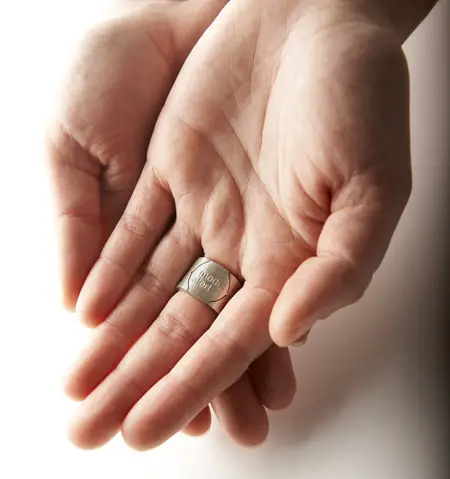
The patches will be disposable. Once a day, the old patch will be disposed of and a new patch will be placed on the body. Each patch will contain enough insulin for one day. The patch will be about the size of a dime.
How cool! (The image is of a ring that would contain the patch. Source here).
2012-02-19
You Learn Something New Everyday.
- Crepitis is when you hear creeks and crackles coming from your joints. Creptis is a sign of bone rubbing on bone.
- Bones have three roles: to store Calcium and Magnesium, to provide structure, and to make blood (people often forget that bone marrow is the source of blood).
- Colostrum difficile is a bacteria that normally lives in the gut. It is very toxic and dangerous, but is kept under control by our "good bacteria" living in the gut. When we take antibiotics, however, our good bacteria is killed by the drugs, and sometimes C. difficile can get out of hand, causing lots of intestinal complaints and diarrhea. In order to prevent these symptoms, stock up on probiotics (healthy bacteria supplements) after taking antibiotics.
- Eggs are technically perfect protein because they contain the most essential amino acids (aka the building blocks of protein). The protein in eggs is 50% essential amino acids, that's the highest ratio of all the protein sources.
- People with Multiple Sclerosis (a degenerative nerve disease) often die of respiratory failure. Sounds random, but they die when the phrenic nerve (the nerve that innervates the diaphragm to contract during inhalation and expiration) is degraded such that it no longer works, and thus they can no longer breath.
- Similarly, people with kidney failure who require dialysis (routine blood filtering) to survive often die from heart failure. This is because when their blood is filtered using the dialysis machine, their blood pressure must elevate temporarily. The constant blood pressure increases and decreases stresses the heart and eventually it fails.
- Taste receptors on the tongue decrease with age. Unfortunately these leads to malnutrition in many older people because they'd rather eat foods that are extremely salty, fatty, or sugary, because these foods still have some taste to them.
2012-02-13
Hacking.
- When you are sick, you cough for two good reasons: to get rid of pathogens (viruses or bacteria, either dead or alive) and to remove excess mucus that has built-up in the respiratory tree in your lungs. Therefore coughing is a protective function and should be productive, especially with an infection.
- Coughing is a reflex and is thus normally beyond conscious control. If you've ever had a night 'cough attack' you'll know what I mean.
- There are cough centers in your brainstem triggering coughs. This means that cough medications must cross the blood brain barrier and enter the brain in order to stop the cough reflex.
- When epithelial cells lining the respiratory tree, trachea, or esophagus are sloughed-off, the cough reflex is triggered. This is a sign that dead cells are being replaced by new cells during the healing after an infection.
- Acid reflux can cause chronic coughing as the acid triggers nerve reflexes within the lower esophagus.
- A chronic cough that is not associated with an infection may be a sign of recurring damage to the esophagus. For example, smokers cough often as the chemicals inhaled by smoking sloughs off or irritates epithelial cells, triggering the cough reflex.
- If a chronic cough develops after age 50, it may be a sign of congested heart failure in which some blood backs-up into the lungs.
- With any chronic cough, please consult a medical professional to be fully assessed as there are many reasons why a cough may persist.
2012-02-07
Anti-Coughing.
- No anti-cough medication has been proven (through research) to be effective for children (under age 12). As such, the government of Canada has made pharmaceutical companies re-label their over-the-counter cough medications to remove any dosing instructions for children.
- Honey has been shown to be just as effective at reducing cough symptoms as most over-the-counter cough syrups (this doesn't surprise me, they're all just sugar anyways... my professor joked about pouring cough medication over ice cream as a tasty topping).
- Menthol is a chemical that stimulates "cold" receptors, giving that "cooling" sensation. It's effect is extremely short lived, however. For this reason, in order to get the effect of cough drops and Fisherman's Friends, you have to keep sucking on them all day long. Once it has dissolved, the soothing effect is gone.
- There is controversy surrounding cough drops and lozenges. Do they contain ingredients that make you feel better, or is it just the fact that their flavor is making your body produce extra saliva, keeping the respiratory tract moist, and this moistness is what is helping...?
- How do asthma puffers work? They contain powdered medication that is aerosolized (the powder is mixed with air) when the canister is depressed. This way the drug is easily inhaled, reaching the depths of the lungs in order to achieve treatment.
- Beware of asthma medications depositing in the mouth. It can cause mouth infections if it doesn't get inhaled into the lungs and instead lands in the mouth.
2012-01-31
Blood and Bacteria.
Today, in the Toronto newspaper The Star, was an article highlighting a naturopathic doctor and her work in diagnosing food intolerances with blood work. Not only is she an ND practicing in Ontario, but she also was my teaching assistant last year during my Hydrotherapy class!
I talked last Spring about my success with identifying food intolerances with blood work. Tony also had huge success with the protocol. It is pricey ($250), but produces amazing and super interesting results.
_________________________________
Bacterial Overlap
When I started studying naturopathic medicine, I had no idea that all of my Microbiology classes from undergrad would come back to haunt me. Seriously, we learn SO MUCH about microbes it is scary. Now why I am learning so much about bacteria, viruses, parasites, etc.? Because unfortunately these critters wreck a lot of havoc on our poor bodies. A disturbing number of diseases and health concerns are due to microbe infections. The material between my Microbiology class, Pharmacology class, and in my Clinical Medicine (aka Pathology class) are constantly overlapping. For instance, today was the third time we learned about Lyme Disease (caused by Borrelia bac).
_________________________________
In closing, without even recognizing it, this post has touched on (probably) two of the most common causes of disease and illness: FOOD ALLERGIES/INTOLERANCES and MICROBES. Funny that!
2012-01-22
The History of Pharmacology.

Here is a brief recap of the history of pharmacology. Summarized from my Pharmacology notes. Image source here.
During the age of RELIGION and SUPERSTITION:
People used medicines isolated from plants and animals in order to "rid the body of evil spirits". Note that the route word of pharmacology (pharmakon) is a magical charm used to treat disease.
During the age of TRIAL and ERROR:
Series of trial and error experiments were conducted using plants to treat disease. The first successes were when the plants were used externally to treat disease. In 1500 BC, there are reports of castor oil being used externally to treat ailments. It was until 2100 BC that the first prescriptions were written. Most of the pharmacists were monks who spent their time studying herbal medicines.
During the age of SCIENCE:
Rationalization became important. The scientific method was used. Pure drug compounds were finally isolated from natural sources.
2012-01-16
Course Review: Manipulation and Pharmacology.
Manipulation - this class is an introduction to chiropractic medicine. We won't be doing an adjustments or forceful techniques this year... that will all come next year. We are only introduced to minor movements and are taught a lot of palpation techniques (aka feeling muscles, bones, etc in order to determine correct position and/or functioning). Before a chiropractor (or a naturopathic doctor) were to ever manipulate a muscle or bone, he or she would first need to preform a lot of assessments in order to determine the abnormality. Manipulation 1 (the course I am taking now) basically teaches all of those required assessments.
So far... I enjoy it because it is slow paced and there is a lot of interaction with the teaching assistants (TA)... there are only 10 students per TA. This week we learned to assess the correct movement and positioning of the lumbar (aka lower) spine's disc and spinous processes (the boney sticky-outy parts). I am happy to report that I have an abnormal lower spine :D But no worries, 90% of the public have abnormal lumbar spines.
Pharmacology - even though I am studying naturopathic medicine (using natural therapies to treat), I still have to all about pharmaceutical drugs. There are two main reasons why we learn about drugs: first, because the majority of our patients will be on prescription drugs for whatever reason and thus as part of their health care team, we have to be able to monitor them for signs of toxicity, for drug interactions, of side effects, etc. We need to be able to give them some guidance on the prescription drugs even though we did not prescribe them.
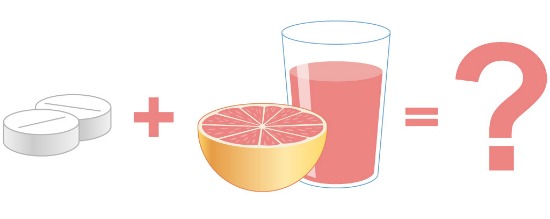
Second, we need to know about pharmacology in order to be wary of drug interactions with our natural prescriptions (do the herbs, foods, or supplements interact with the patient's drug prescriptions?). A simple example is that of grapefruit juice. Grapefruit juice, as harmless as it may seem, can be fatal. Grapefruit juice interacts with many drugs rendering them functionless or increasing their concentration, thus potentially killing a patient who relies on a particular medication for life. These are the types of interactions we learn in pharmacology.
We also learn a lot of substance clearance, dosage, and metabolism in the body, which is useful to know when we prescribe a particular supplement: we need to know how the body removes the supplement (clearance), how the supplement will be acted on in the body (metabolism), and how much the body needs to see an effect (dosage).
So far... I am finding pharmacology to be a tad dry, but I am hoping it will eventually become more interesting. The subject itself is intriguing, I just need the classes and lecturing-style to boost it up a bit!
2012-01-13
The Alcohol Buzz.
It's Friday, so let's talk about Friday's drink of choice: Alcohol. Alcohol is a substrate for the p450 detoxification system in the liver. Basically, alcohol revs-up your detox pathway and when this happens you feel the typical "buzz" of alcohol.
However, you can lose this buzz if you drink the same amount every time. For instance, if you regularly drink two beers a night, your body will eventually adapt to this amount of alcohol stimulation and you will lose that tipsy feeling. Now in order to feel the buzz, you'll need to drink three beers. And then again overtime, it'll take four beers to feel anything.
This happens because more p450 enzymes are made in response to the constant, regular supply of alcohol. When the body realizes that there is a regular amount of alcohol present and that these alcohol molecules are stimulating the p450 enzymes (i.e. there is a constant supply of two beers worth of alcohol molecules). Now that there are more enzymes made, you'll need to drink more alcohol in order to stimulate the increased number of enzymes. Think of the lock and key analogy: alcohol is the key and p450 enzymes are the locks. When there are more keys present, the body makes more locks for them to fit into. You won't feel the alcohol buzz until all of the keys fit into locks.
And it is not a good think to have to drink more in order to get a buzz; it means your alcohol intake is altering the biochemistry of your liver. Two ways to readjust your alcohol tolerance:
1) Don't drink everyday. Give your liver a break whenever you can.
2) Don't always drink the same amount. If you usually have two glasses of wine on Saturday nights, try having just one for a week or two. This change will help to reset the level of p450 enzymes.